Winter has set in for Moab, and that means off-season!
While enjoying it being quiet in town, I love having more time to work on my fitness and mobility, off the bike. However, I’m not much of a gym person so I sometimes struggle to follow a routine. Previously I have been a runner, gone to yoga in spurts… one year I did 5 minutes of plank everyday. But these didn’t seem to step my game up much at all, and I couldn’t stick to them for too long.
Then a guest on a [bike tour](https://rimtours.com/tour-type/multi-day-tours/) a few years ago turned me on to Foundation Training, a set of yoga-like poses designed in response to our modern epidemic of back pain. At the core of these exercises is a practice called tensioning, which is basically organized flexing of your whole body.
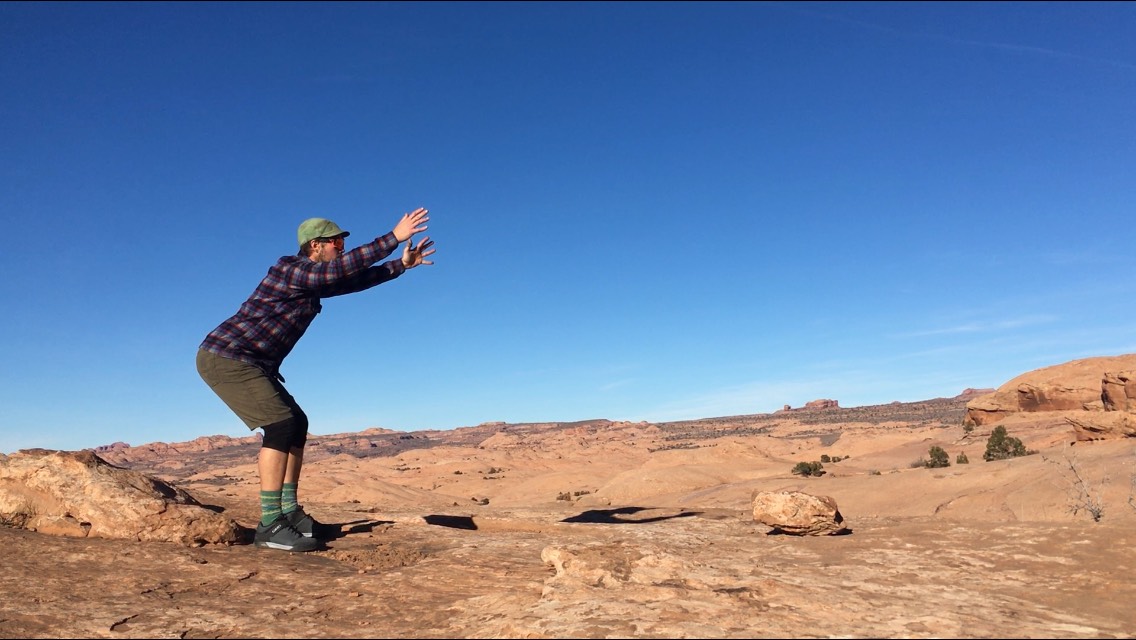
I started doing the basic routine found in [Foundation: Redefine Your Core, Conquer Back Pain, and Move with Confidence by Eric Goodman and Peter Park. ](https://www.amazon.com/Foundation-Redefine-Your-Conquer-Confidence/dp/1609611004/ref=sr_1_1?ie=UTF8&qid=1543937872&sr=8-1&keywords=foundation+training)It takes about 20 minutes, and is centered around a move called the Founder.
Here’s how it goes:
- Stand feet shoulder width apart, knees slightly bent.
- Screw your feet into the ground, and engage your leg muscles.
- Squeeze your butt and abs just a little.
- Pull your shoulders around to your back, and send your hands back to help flatten your back.
- Hinge forward at your hips about 35 degrees and hold for 10 breaths
- Send your hands above your head with your thumbs reaching up and hold for 10 breaths
- Put your hands on your imaginary handlebars and visualize riding stronger next year!
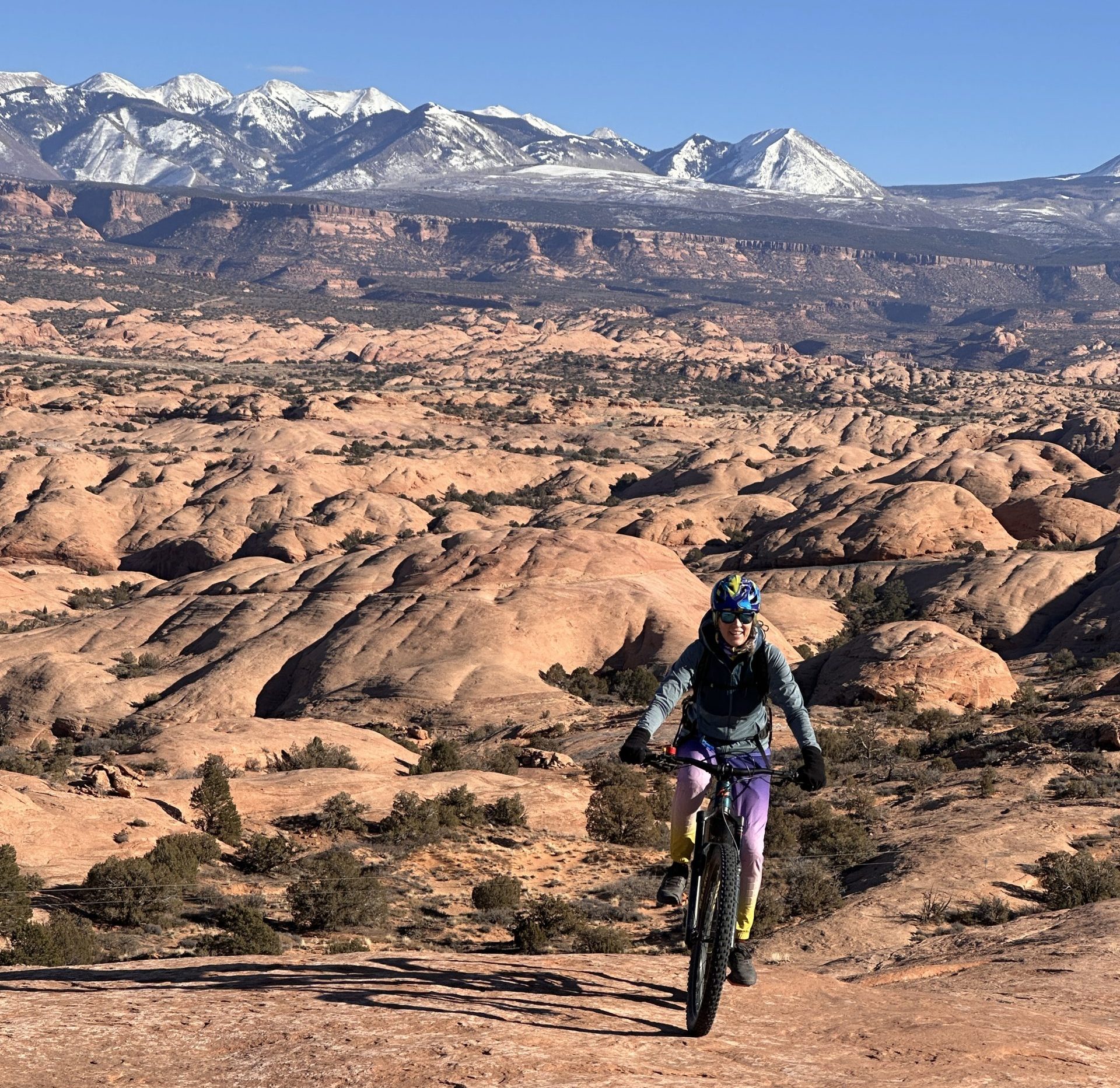
But what really hooked me was those #GAINZ. Holy cow. Within a month of doing this workout, I could see a huge change in my riding. For the biker, the Founder is practice for standing strong on our pedals, and the more we can stand (especially in rocky Moab) the smoother our ride.
My mother was very “strict” about posture and the Founder exercise, will help remind you of your posture. Maybe that’s why it struck a chord too. For variations spread your feet side to side, or do a some squats while executing the tension holds. Add in some plank and push-ups, and that’s all the strength training you will need!
Oh, and Eat Right too
$5k could hardly shave 5lbs off your bike, but almost everyone, myself included could drop five lbs on the body, and really tho.. It’s easier to ride for those skinny people. I can ride everyday, all-day and not lose any weight. Well, duh, its cause I still like beer, chips and Reese’s. If you want to lose weight the recipe is simple: less carbs, more vegetables and good fats, modest protein.
On my best behavior, I eat a boat-load of vegetables, with generous use of olive oil and/or butter, and some protein, like an egg. Throw on the butter! Have as much vegetables and good fats as you want! Two heads of buttered broccoli! Just not the carbs… I try to opt for the salad over the sandwich. Skip the rice, or at least try make the carbs one of the smallest portions on my plate. Just a couple squares of dark chocolate for sweets… If I could do this 6 days a week?
It can be painful, but know that while cutting carbs will help lose weight, it will also improve your mountain biking performance. The “keto” diet is all-the rage for endurance athletes. There are legends of ultra-runners just eating a few spoonfuls of peanut butter of over a 100-mile race and winning. Transitioning to “fat-as-fuel” is a change in your metabolic processing that opens up all your fat stores to fuel your adventure, almost totally eliminates “bonking” and turbo charges your weight loss potential. Be warned though, the chemical transition in your body takes a several week ulta-low-carb detox. I suggest experimenting with a three-week, sub-100g of carbs/day nutrition plan and see if it works for you.
Take Care of Yourself
We’ve got these dark hours of winter ahead, perfect for foam-rolling and Netflix. Remember that pain and pleasure are two sides of the same coin (it’s why we MTB!), get the firmest foam roller you can find, and find 20 different ways to lay on it. Work out your kinks and aches by lying on a foam roller for 10-15 minutes/day, doing some restorative yoga/stretching, and take a epsom salt bath. These kinds of self care techniques are essential for the everyday athlete.
There it is. My personal philosophy on mountain biking performance. I’m not a doctor, just sharing what is working for me. A simple strength training practice, mixed with clean-eating and some self-care will take you where you want to go and allow you to jump into any of Moab’s awesome activities with ease.
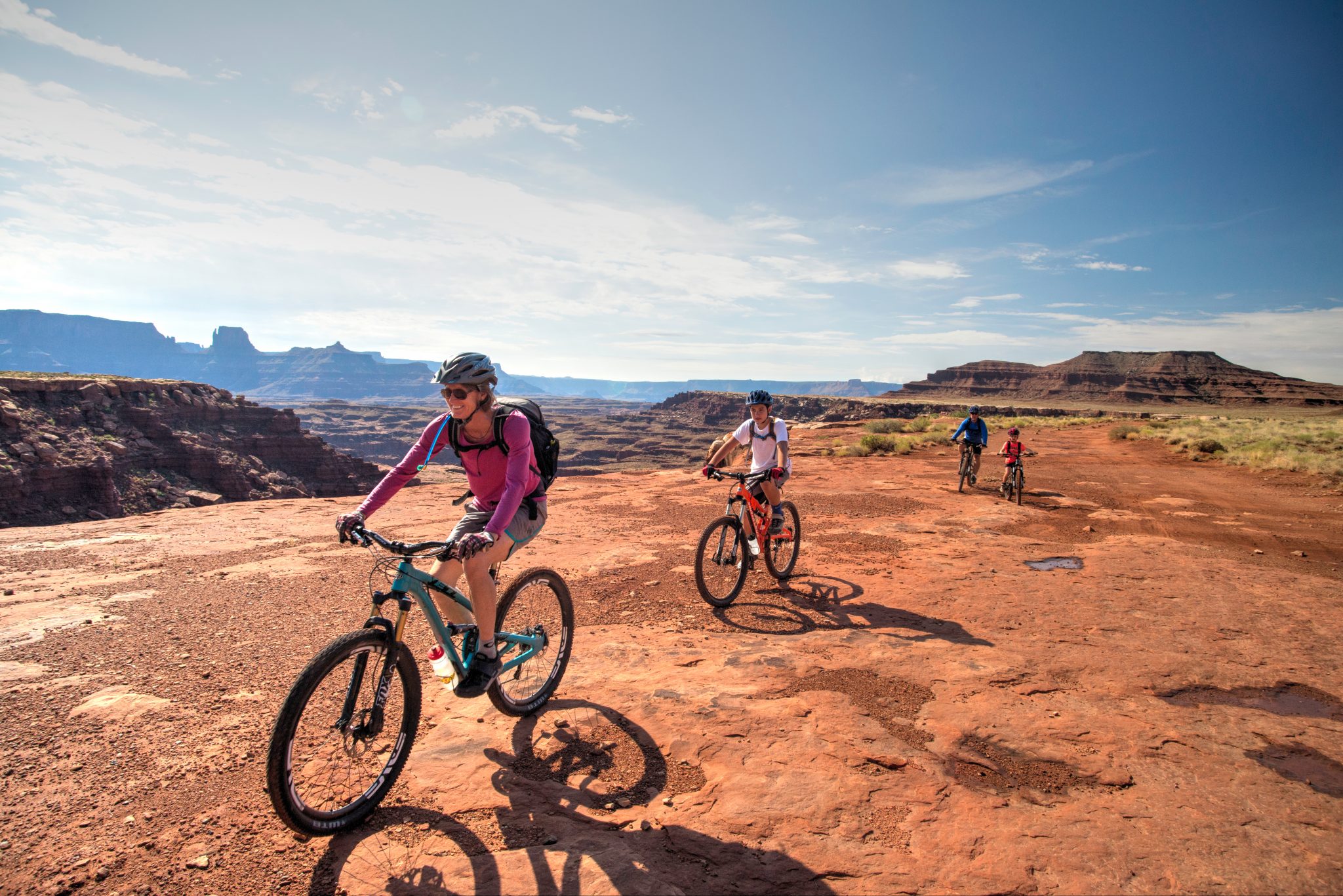
For more resources search online for “foundation training” to find tutorial videos, get the original Foundation book or try Peter Park’s new book Rebound to get some more in-depth guidance. Locally, look for the Monday “Posture Fitness” class at the Rec Center for similiar principals. Or come ride the White Rim Trail with us this spring, and we will practice with coffee-in-hand.
Looking forward to being a little stronger next year and tons of great riding!
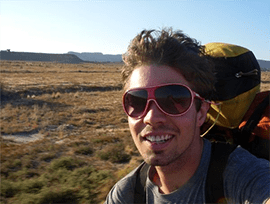 [Reid Baaken](https://rimtours.com/about-rim-tours/) is a mountain bike guide for Rim Tours in Moab, Utah specializing in [Multi-day Camping Based Tours](https://rimtours.com/tour-type/multi-day-tours/).