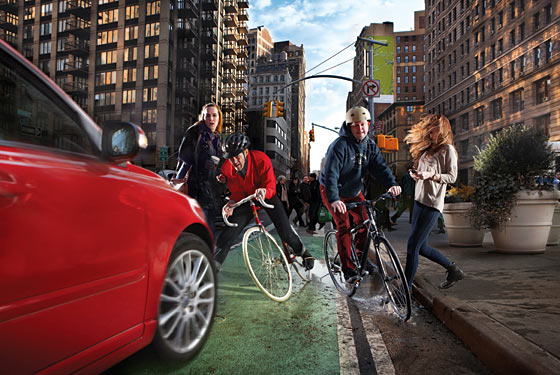

Utah has specific bicycle safety laws that every cyclist — whether a road rider, commuter, or mountain biker riding to a trailhead — needs to know before sharing the road with motor vehicles. Understanding these laws is not just about avoiding tickets; it is about staying alive. Utah’s roads see increasing cycling traffic every year, and knowing your rights and responsibilities is the first step toward a safe ride.
Key Utah Bicycle Laws Every Rider Should Know
Utah treats bicycles as vehicles under state law. That means cyclists have the same rights and responsibilities as motorists on public roadways. Here are the most important rules:
Helmet Requirements
Utah does not have a statewide helmet law for adults. However, some municipalities have their own helmet requirements, particularly for minors. Regardless of the legal requirement, wearing a helmet is strongly recommended — and on mountain bike trails, it is non-negotiable.
Riding in Bike Lanes
When a bike lane is available, cyclists are generally expected to use it. However, you are permitted to leave the bike lane to avoid obstacles, make left turns, or when the lane is unsafe due to debris or parked cars. On roads without bike lanes, cyclists should ride as far to the right as is practicable.
Traffic Signals and Stop Signs
Cyclists must obey traffic signals and stop signs just like motor vehicles. Utah has adopted a modified “Idaho Stop” law (known as the “Safety Stop”), which allows cyclists to treat stop signs as yield signs when it is safe to do so. Red lights must still be obeyed, with an exception: if a signal fails to detect your bicycle after a reasonable period, you may proceed through the red light with caution.
Riding Abreast
Utah law allows cyclists to ride two abreast on the road, but not more. When riding two abreast, cyclists must not impede the normal flow of traffic. On narrow roads or when vehicles are trying to pass, single-file riding is the courteous and safer choice.
Hands on the Handlebars
Utah law requires at least one hand on the handlebars at all times. This means no fully hands-free riding on public roads — a reasonable requirement for maintaining control and the ability to signal.
Lighting Requirements
From 30 minutes after sunset to 30 minutes before sunrise, bicycles must have a white front light visible from at least 500 feet and a red rear reflector or red rear light visible from 600 feet. If you are riding to or from early morning or evening rides in Moab, proper lights are both a legal requirement and a safety essential.
Sharing the Road in Moab
Moab has some unique road-sharing considerations. Many mountain bike trailheads require riding on public roads to access, and the town sees heavy tourist traffic — including large RVs, trailers, and unfamiliar drivers. Key safety practices specific to Moab:
- Highway 191 is the main corridor through town and gets busy. Use the bike path that parallels the highway when possible.
- Highway 128 (River Road) is popular with both cyclists and drivers. The road is narrow with no shoulder in many places. Ride single-file and be visible.
- Sand Flats Road to the Slickrock Trail is shared with vehicles, ATVs, and motorcycles. Stay alert and ride predictably.
Why This Matters for Mountain Bikers
Even if most of your riding is on trails, you are likely riding on roads to get to and from trailheads, bike shops, and your accommodations. Understanding Utah’s road laws keeps you safe during those transitions. On a guided Rim Tours trip, we handle transportation to trailheads, but if you are riding independently, road safety awareness is essential.
Resources for Utah Cycling Laws
For the complete text of Utah’s bicycle laws, visit BikeLaw.com’s Utah page or review the Utah Department of Transportation’s cycling safety resources. As responsible cyclists, knowing and following these laws protects both riders and motorists.
Frequently Asked Questions
Do I have to wear a helmet when mountain biking in Utah?
There is no statewide law requiring adults to wear helmets while cycling in Utah. However, all Rim Tours guided rides require helmets — it is our number one safety rule. On Moab’s rocky, technical terrain, a helmet is not optional in any practical sense.
Can I ride my bike on the sidewalk in Moab?
Utah law generally allows bicycle riding on sidewalks unless a local ordinance prohibits it. In Moab’s downtown area, sidewalks can be crowded with pedestrians, so riding on the road or designated bike paths is usually safer and more practical.
What should I do if a car passes me too closely in Utah?
Utah has a “three-foot passing” law requiring motor vehicles to give cyclists at least three feet of clearance when passing. If you are consistently experiencing close passes, move further into the lane to make yourself more visible and force wider passes. Report dangerous drivers to local law enforcement.
Are e-bikes treated the same as regular bicycles under Utah law?
Utah classifies e-bikes into three classes and generally treats Class 1 and Class 2 e-bikes the same as traditional bicycles on roads and most trails. Class 3 e-bikes (with pedal assist up to 28 mph) have some additional restrictions. On mountain bike trails, e-bike access varies by land manager — BLM, Forest Service, and state parks each have their own rules.