
Survival of the Hydrated

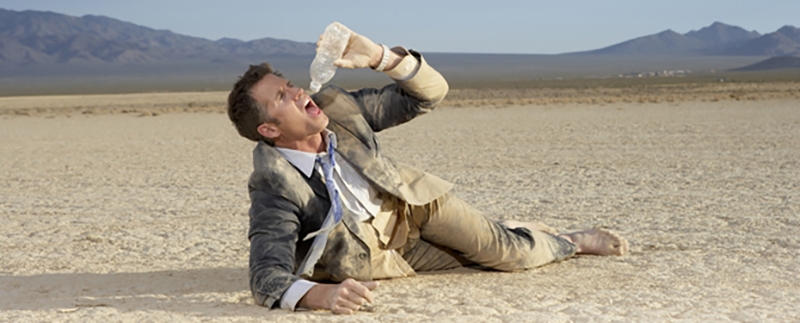
The single most important thing you can do before any desert adventure in Moab is pre-hydrate — drinking extra water steadily throughout the entire day before your activity, not just the morning of. With average humidity around 20% and summer temperatures regularly exceeding 100 degrees, your body loses moisture at an alarming rate in canyon country, often without the obvious sweating you’d experience in humid climates. Desert plants and animals have evolved remarkable adaptations for water conservation over millions of years; humans need to compensate with deliberate preparation.

What Pre-Hydration Means

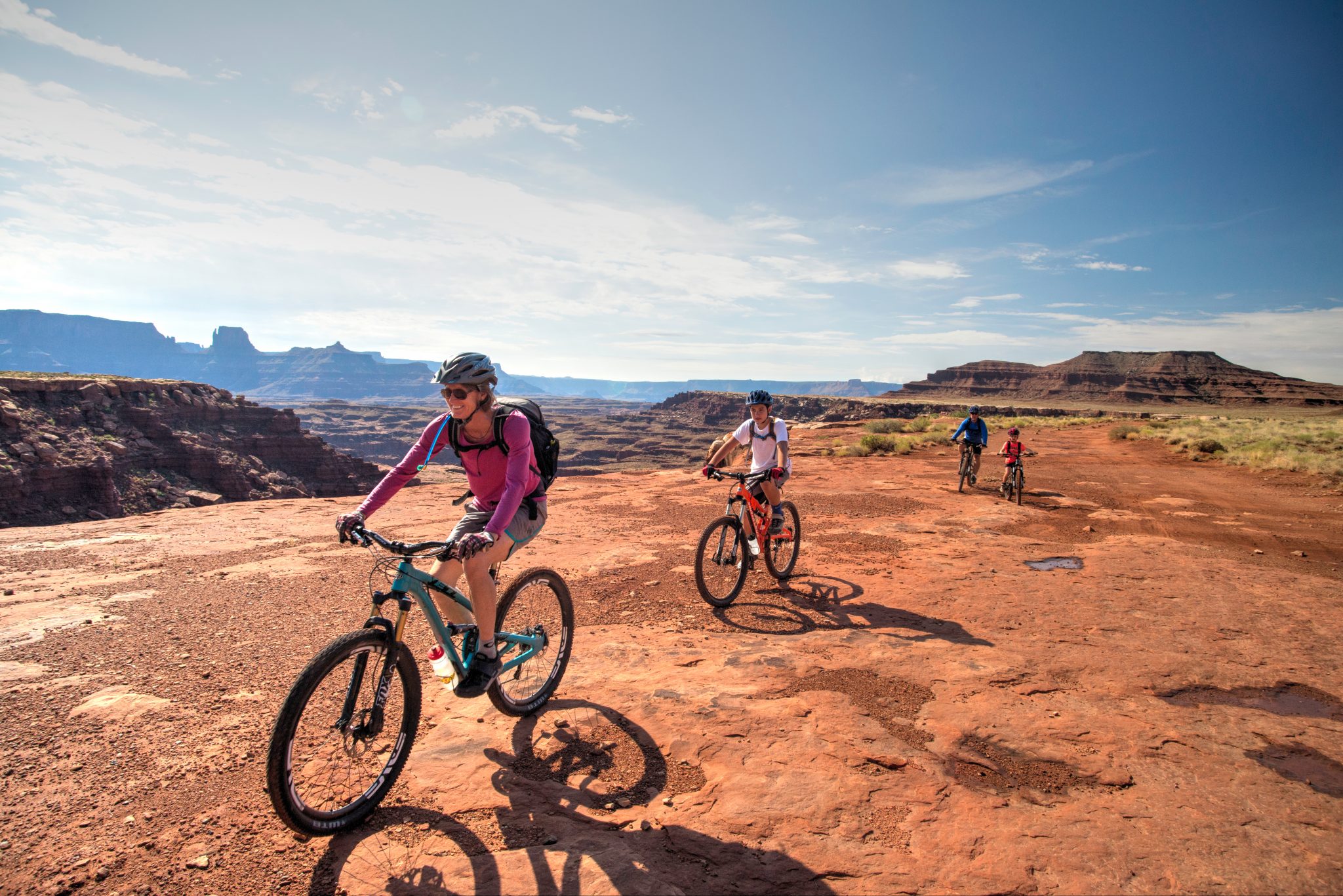
When you call Rim Tours to book a mountain bike tour, we’re going to tell you to pre-hydrate. This isn’t a casual suggestion — it’s essential advice that could determine whether your ride is enjoyable or miserable.

Pre-hydration means drinking extra water steadily throughout the entire day before your desert activity. Not chugging a liter at bedtime. Not just having an extra glass with breakfast. It means sustained, consistent water intake for 24 hours before you get on the bike, so your body starts the ride with fully saturated tissues and optimal blood volume.

Practical pre-hydration plan:

  • Drink water with every meal the day before your ride
  • Carry a water bottle and sip throughout the day
  • Drink an extra large glass of water before bed — even if you don’t feel thirsty
  • Drink another large glass first thing when you wake up
  • Continue drinking during breakfast and on the drive to the trailhead
  • Aim for clear or pale yellow urine before you start your activity

What Desert Organisms Can Teach Us

The plants and animals living in the desert have evolved specific adaptations for water conservation over millions of years. Understanding their strategies helps illustrate why hydration is so critical for humans who lack these adaptations.

The Juniper’s Survival Strategy

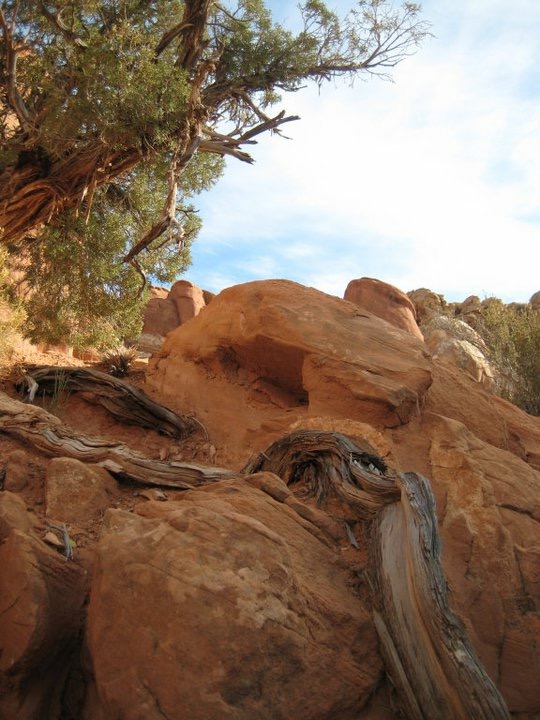
On any mountain bike ride in Moab, you’ll rest in the shade of a Utah Juniper tree at some point. These desert heroes have root systems that stretch the length of a football field from their trunk, seeking water through cracks in rock and deep underground sources.

But the juniper’s most remarkable adaptation is self-pruning: when water is in short supply, the tree literally kills off its own branches to concentrate remaining moisture to the most essential parts of the trunk. It’s the tree equivalent of amputating a limb to keep blood flowing to vital organs. The twisted, gnarled appearance of desert junipers is a visible record of years of drought survival.

Humans can’t self-prune (and wouldn’t want to). Our alternative? Pre-hydrate so the question never arises.

The Antelope Squirrel’s Umbrella

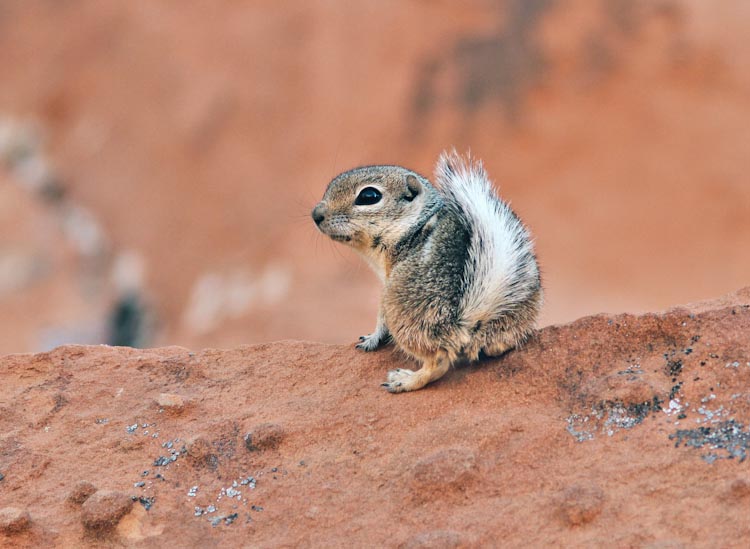
The White-Tailed Antelope Squirrel is one of the most common mammals you’ll spot along Moab’s trails. Watch carefully and you’ll notice it running from shrub to shrub with its tail arced over its back, showing the white underside. This isn’t a cute quirk — it’s a survival adaptation. The white tail acts as a reflective parasol, deflecting solar radiation and helping the animal maintain a cooler core temperature.

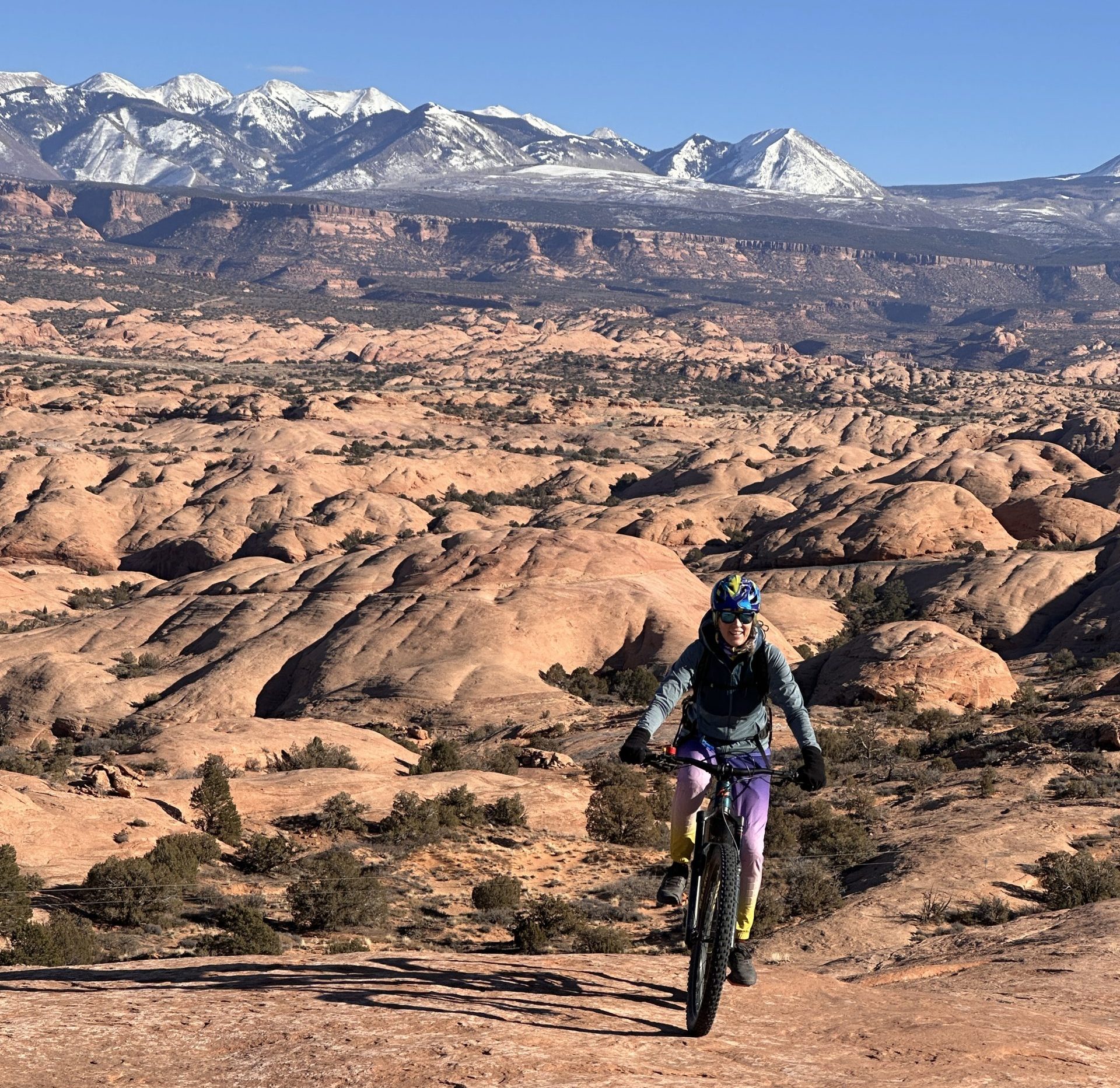
The lesson for humans? Wear light-colored, reflective clothing on desert rides. A white or light-colored long-sleeve sun shirt reflects far more heat than a dark tank top. UV-protective arm sleeves, a light buff, and a white helmet all help reduce your body’s heat absorption — just like the squirrel’s white tail.

Hydration During Your Ride

Pre-hydration sets you up for success, but you also need to maintain hydration throughout your activity:

  • Drink before you’re thirsty. By the time you feel thirst, you’re already significantly dehydrated.
  • Sip consistently, not in large gulps. Your body absorbs water more efficiently in smaller amounts.
  • Combine water with electrolytes. In extreme heat, water alone isn’t enough — you’re losing sodium, potassium, and magnesium through sweat (even when you don’t see it evaporating in the dry air).
  • Eat salty snacks. Trail mix, pretzels, and electrolyte chews help maintain salt balance.
  • Minimum 3 liters for any full-day desert ride, more in peak summer.

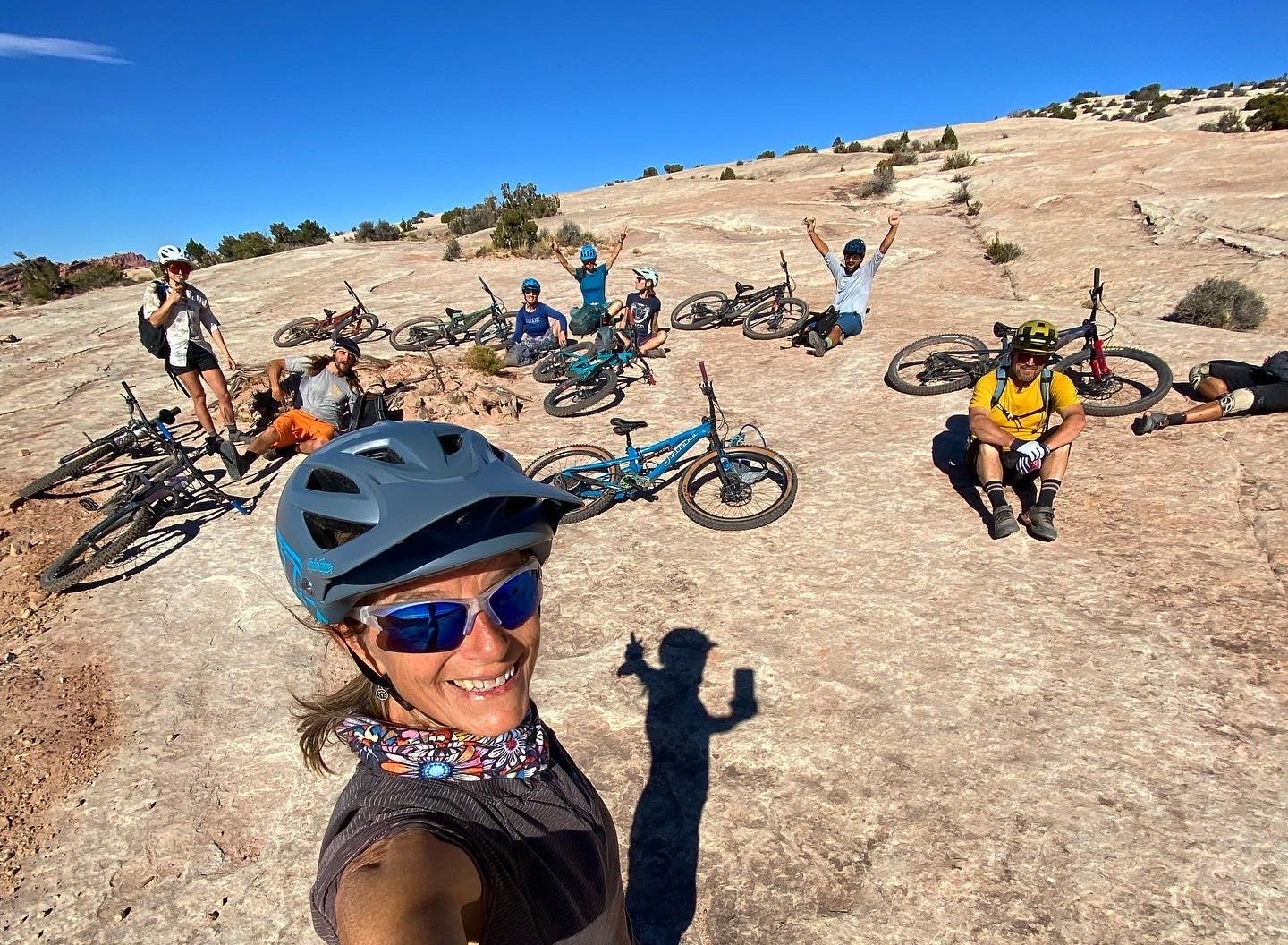
On guided tours with Rim Tours, our guides carry extra water in the support vehicle and monitor riders for early signs of dehydration — but personal hydration preparation starts the day before.

Signs You’re Not Drinking Enough

Desert dehydration can be insidious because the dry air evaporates sweat so quickly you may not realize how much moisture you’re losing. Watch for these warning signs:

  • Headache — often the first sign
  • Dark yellow urine — your body is conserving water
  • Chapped, dry lips — despite lip balm
  • Fatigue or irritability — disproportionate to the effort level
  • Dizziness or lightheadedness — especially when standing
  • Decreased urine output — going hours without needing to use the bathroom

Water has been shown to cure headaches, improve mood, and restore energy more effectively than any other intervention. Before reaching for painkillers on a desert ride, try drinking 16 ounces of water and waiting 15 minutes.

Frequently Asked Questions

How much water should I drink per day before a Moab mountain bike tour?

Aim for at least a gallon (roughly 4 liters) of water the day before your ride, spread throughout the day. This is significantly more than most people drink normally, but the desert environment demands it. Continue drinking 3+ liters during your ride day.

Can I drink too much water?

Technically yes — overhydration (hyponatremia) is possible but rare compared to dehydration. The risk increases when people drink enormous amounts of plain water without replacing electrolytes. The solution is to combine water with electrolyte drinks, salty snacks, and regular meals.

What are the best electrolyte options for desert riding?

Electrolyte tablets (like Nuun), drink mixes (like Skratch Labs), or simply salted water work well. Avoid energy drinks with high sugar content — they can actually increase dehydration. On Rim Tours multi-day tours, our guides prepare electrolyte-rich drinks and salty, balanced meals specifically designed for desert activity.

Why does Moab dehydrate you faster than other hot places?

Moab’s combination of low humidity (often 15 to 25%), high elevation (4,000 to 6,000 feet), and intense solar radiation creates a “triple threat” that dehydrates the body faster than humid heat. In humid environments, you see and feel your sweat. In Moab’s dry air, sweat evaporates instantly — so you lose just as much water but don’t realize it.

Does altitude affect hydration needs?

Yes. At Moab’s elevation of 4,000 to 6,000 feet, you breathe harder and lose more moisture through respiration than at sea level. Higher elevation also means more UV exposure, which can contribute to fluid loss. If your ride goes higher — like the Whole Enchilada which starts above 10,000 feet — the effect is even more pronounced.

← Back to all posts