Prepping for a Camping-Based Mtb Tour on the White Rim

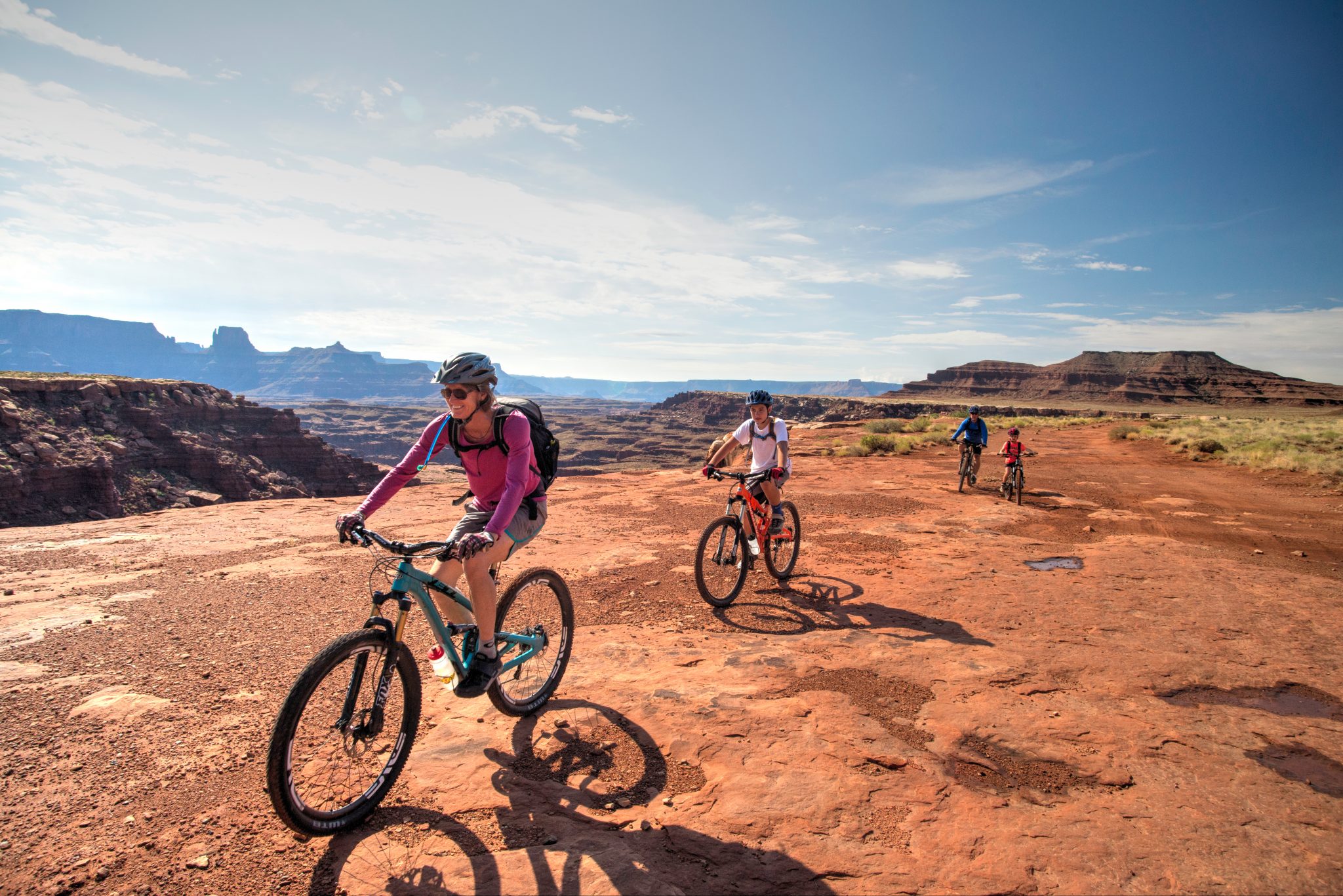
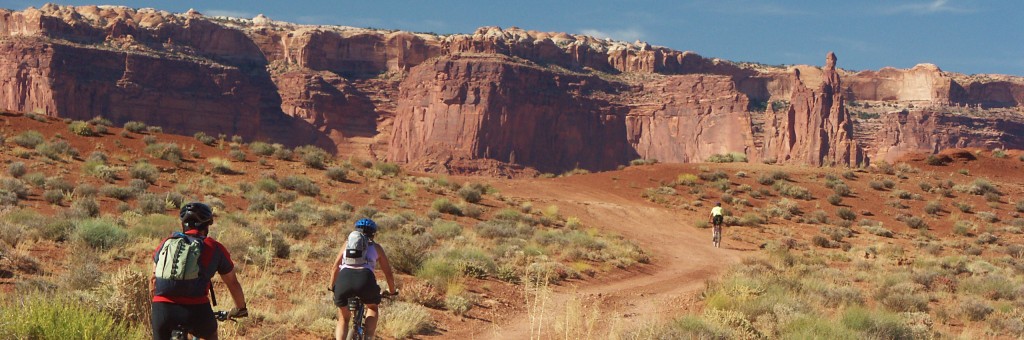
Preparing for a camping-based mountain bike tour on the White Rim Trail means building saddle time before you arrive, hydrating aggressively during travel, and packing smart for 3 to 4 days in the desert backcountry. The White Rim is a 100-mile loop through Canyonlands National Park’s Island in the Sky district, riding on 4-wheel-drive roads with intermittent rocks, small ledges, and sand at elevations between 4,000 and 6,000 feet. It’s not technically difficult, but it demands multi-day endurance. Here’s everything you need to know to show up ready.

Build Your Saddle Time

The single most important thing you can do before a White Rim tour is get on your bike as much as possible. You’ll be riding all day for multiple consecutive days, and if you haven’t been on a bike in a while, your body will let you know — loudly. Even riding a stationary bike at your gym will help condition you for the sustained effort.

What to aim for:

  • Ride 3 to 4 times per week for at least a month before your tour
  • Work up to rides of 3 to 4 hours to simulate daily mileage
  • Include some rides on varied terrain — gravel, dirt, and rocky surfaces if available
  • The better your fitness, the more you’ll enjoy the spectacular scenery instead of focusing on surviving the next mile

Our guides are skilled instructors who help less experienced riders adopt proper techniques for riding on 4-wheel-drive roads, but physical conditioning is something only you can prepare.

Bike Preparation

If bringing your own bike: Have it professionally tuned and replace any worn parts before your trip. Pay special attention to tires, brake pads, and drivetrain components — the desert terrain chews through them faster than your home trails.

Shipping your bike: You can ship your bike ahead of time to Rim Tours. Our assembly fee is $40, or $80 if we also disassemble and box it at the end of the trip.

Tire selection: Any good off-road tires work well on the White Rim. We use WTB’s latest models — they handle the mix of hardpack, rock, and sand beautifully.

Suspension: We strongly recommend a full-suspension bike for multi-day comfort over the White Rim’s rocky terrain. If you don’t want to bring your own, Rim Tours rents high-quality full-suspension bikes for $45 to $70 per day.

Hydrate Before You Arrive

This is not optional advice — it’s essential. While traveling to Moab, drink water constantly. Keep yourself fully hydrated throughout your travel day. Proper pre-hydration helps your body:

  • Adapt to the extremely dry desert environment (humidity often below 20%)
  • Handle the higher elevation (4,000 to 6,000 feet)
  • Recover better from full days of riding

Avoid excessive caffeine and alcohol during travel. Both are diuretics that will dehydrate you right when you need maximum hydration. Save the celebratory drinks for after the tour.

Packing Tips

Rim Tours provides waterproof dry bags (12.5” x 18.5” x 30”) for your gear. Here’s how to pack smart:

  • Use soft-shell duffel bags — they fit inside the dry bags perfectly
  • Divide gear into several small to medium duffels rather than one large bag
  • Do NOT bring hard-shell suitcases — they won’t fit in the dry bags and are difficult to pack on support vehicles
  • Pack layers: Desert temperatures can swing 40+ degrees between predawn and afternoon
  • Bring sun protection: Sunscreen, sunglasses, hat, and a lightweight long-sleeve shirt

Your guide will provide a detailed packing list when you book your tour, but traveling light and flexible is the key principle.

Getting to Moab

From Salt Lake City (SLC)

  • Fly direct to Moab: Boutique Air operates daily flights from SLC to Canyonlands Field (CNY), just 18 miles north of Moab
  • Rent a car: The drive from SLC is approximately 4 hours via I-15 and US-191. Note that you must return rental cars to Salt Lake City or pay a steep one-way drop fee
  • Ground shuttle: Elevated Transit (888-353-8283) runs daily shuttles between SLC and Moab

From Grand Junction, Colorado (GJT)

  • Flights: United, Delta, SkyWest, and Allegiant Airlines all serve Grand Junction
  • Drive to Moab: Less than 2 hours. If you’re arriving during daylight, take Highway 128 along the Colorado River — it’s one of the most scenic drives in the West and a beautiful introduction to canyon country
  • Rental cars: Thrifty (800-373-0277) and Enterprise (970-242-8103) both serve Grand Junction

Grand Junction is often the more practical option — shorter drive to Moab, easier rental car logistics, and no one-way drop fees.

Suggested Reading

Get in the Moab state of mind before your trip:

  • Desert Solitaire by Edward Abbey — the classic meditation on solitude and the desert landscape around Moab
  • Canyon Country Wildflowers by Damian Fagan — perfect for identifying the surprisingly diverse flora you’ll see trailside
  • Open Space of Democracy by Terry Tempest Williams — a Utah writer’s powerful reflections on public lands
  • Guide books by F.A. Barnes — detailed canyon country exploration guides

Frequently Asked Questions

How difficult is the White Rim Trail?

The White Rim is not technically difficult — it follows 4-wheel-drive roads, not singletrack. The challenge is endurance: riding 25+ miles per day for 3 to 4 days in desert heat at elevation. A reasonably fit rider who has been cycling regularly can handle it. Our guides set a comfortable pace and provide coaching for less experienced riders.

What does Rim Tours provide on a White Rim tour?

Our White Rim tour includes bikes (if needed), helmets, all camping gear, backcountry gourmet meals prepared by our guides, a support vehicle that carries all gear, water and snacks throughout the ride, and ground transportation. You just need to bring personal clothing, sunscreen, and your sense of adventure.

Do I need a permit for the White Rim Trail?

Yes — the NPS requires backcountry permits for overnight camping on the White Rim, and campsites book months in advance. When you book with Rim Tours, we handle all permitting. This alone is worth the price of a guided tour — White Rim permits are notoriously difficult to secure.

What time of year is best for the White Rim?

Spring (March through May) and fall (September through November) are ideal. Summer temperatures on the White Rim regularly exceed 100 degrees, making multi-day riding dangerous. We run White Rim tours during the spring and fall seasons when temperatures are comfortable for all-day riding.

Can beginners do the White Rim Trail?

Yes, with proper preparation. The terrain is not technical, so beginners who have built adequate fitness can absolutely enjoy this tour. We recommend at least a month of regular cycling before your trip. Our guides are expert instructors who help riders of all levels feel comfortable on the varied terrain.

← Back to all posts