How to Play in Canyon Country Without Ruining It

The desert landscape around Moab and canyon country is breathtakingly beautiful but ecologically fragile — a single footprint on cryptobiotic soil can destroy organisms that took 50 years to grow. Following Leave No Trace principles isn’t just good etiquette; it’s essential to preserving the canyonlands ecosystem for future visitors. With over a million visitors now coming to Moab each year, every person’s choices matter. Here at Rim Tours, we’ve been guiding responsibly in this landscape since the late 1980s, and we take stewardship seriously.

Prepare in Advance

Smart planning before you arrive makes responsible recreation much easier in the field:

  • Know the regulations for the specific area you’ll visit. Rules differ between BLM land, National Park Service areas, and National Forest — check before you go.
  • Prepare for extreme weather. Canyon country can swing from scorching heat to flash floods to freezing nights, sometimes in the same day. Bring layers, extra water, and emergency supplies.
  • Avoid peak times when possible. Spring weekends in Moab can be extremely crowded, especially on popular trails. Weekday visits or shoulder-season trips reduce your impact on both the land and other visitors’ experience.
  • Visit in small groups. If your group is large, split into smaller parties. This reduces trail widening, campsite damage, and noise impact.
  • Repackage food to minimize waste before you leave home. Less packaging means less trash to pack out.
  • Carry a map or GPS. Good navigation eliminates the need for marking paint, unauthorized rock cairns, or flagging tape.

Stay on Existing Trails and Surfaces

This is perhaps the single most important rule in canyon country. Durable surfaces include established trails and campsites, rock, gravel, dry grasses, or snow. Stepping off-trail onto the desert soil can crush biological soil crust — the living skin of the desert that takes decades to regenerate.

In popular areas:

  • Concentrate use on existing trails and campsites
  • Walk single file in the middle of the trail, even when wet or muddy — trail widening is permanent
  • Keep campsites small and focus activity where vegetation is already absent

In pristine areas:

  • Disperse use to prevent creating new trails and campsites
  • Avoid places where impacts are just beginning — this is where your choices matter most

Protect riparian areas (streams, springs, and seeps) by camping at least 200 feet from any water source. In the desert, these water sources are lifelines for wildlife.

Leave What You Find

Canyon country is full of fascinating natural and cultural artifacts — petroglyphs, pottery shards, dinosaur tracks, unusual rock formations, wildflowers. The rule is simple: examine and photograph, but don’t touch, collect, or disturb.

  • Preserve cultural artifacts. Examine but do not touch historic structures, petroglyphs, or artifacts. Moving or collecting them is both illegal and destructive.
  • Leave natural objects. Rocks, plants, fossils, and other objects should stay where you find them.
  • Don’t build structures. No rock stacking (unauthorized cairns), furniture building, or trench digging.
  • Prevent invasive species. Clean your shoes, bike tires, and gear between different areas to avoid transporting non-native seeds and organisms.

Respect Wildlife

Desert animals are survivors in a harsh environment. Human interference — even well-intentioned — can be harmful:

  • Observe from a distance. Never approach, follow, or attempt to touch wildlife.
  • Never feed animals. Human food damages their health, alters natural behaviors, and can make them dependent on handouts.
  • Secure your food and trash. Improperly stored food attracts animals to human areas, which rarely ends well for the animal.
  • Control pets at all times, or leave them at home. Dogs can chase wildlife, disturb nesting birds, and leave waste.
  • Avoid sensitive periods. Mating, nesting, and winter are times when wildlife stress is highest.

Pack It In, Pack It Out

There is no trash service in the backcountry. Everything you bring in leaves with you — including food waste, wrappers, and hygiene products.

  • Inspect your campsite and rest areas for trash, spilled food, and micro-trash before leaving
  • Human waste: Dig catholes 6 to 8 inches deep, at least 200 feet from water, camp, and trails. Cover and disguise when finished. Pack out all toilet paper and hygiene products.
  • Dishwashing: Carry water 200 feet from streams or lakes. Use small amounts of biodegradable soap. Scatter strained dishwater.
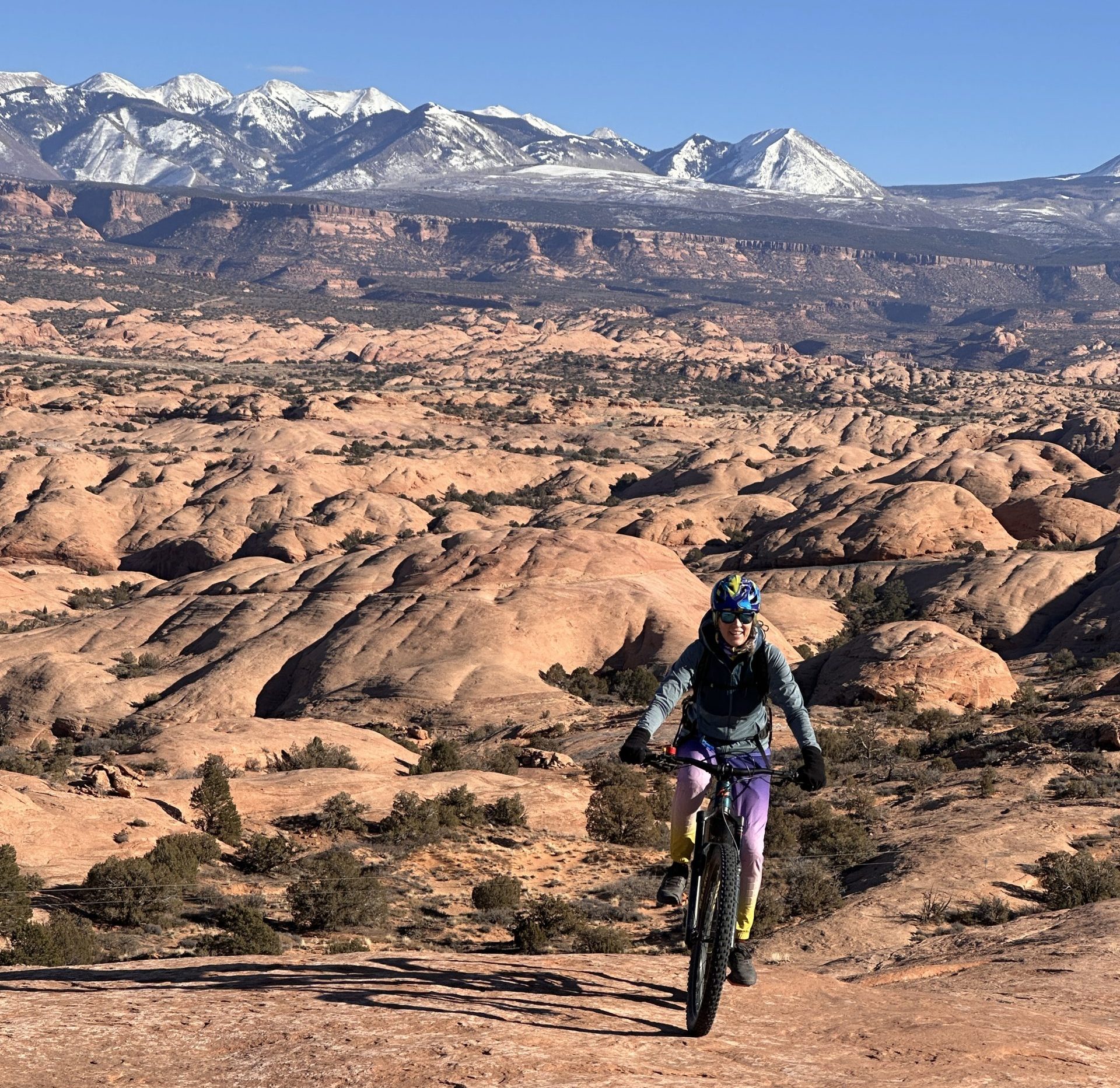
On guided tours with Rim Tours, our guides handle all waste management with a pack-it-all-out system, including portable toilet facilities on multi-day backcountry trips. It’s one of the advantages of going guided — you can focus on the ride knowing that camp leave-no-trace standards are being handled by professionals.

Use Fire Responsibly

Campfires have a lasting impact on the backcountry and are restricted or prohibited in many areas around Moab:

  • Use a lightweight camp stove for cooking — it’s more efficient and leaves no trace
  • Where fires are permitted, use established fire rings or fire pans only
  • Keep fires small. Use only sticks from the ground that can be broken by hand — never break branches from living or standing trees
  • Burn all wood and coals completely to ash, extinguish thoroughly, then scatter cool ashes

Be Considerate of Other Visitors

Canyon country attracts people seeking solitude, adventure, and natural beauty. Help everyone have a quality experience:

  • Be courteous and yield to other users on the trail — bikers yield to hikers, everyone yields to pack stock
  • Take breaks and set up camp away from trails and other groups
  • Let nature’s sounds prevail. Avoid loud voices, music, and unnecessary noise.
  • Step to the downhill side of the trail when encountering horses or pack animals

For more detailed guidelines, visit the Leave No Trace Center for Outdoor Ethics.

Frequently Asked Questions

What is cryptobiotic soil and why does it matter?

Cryptobiotic soil (also called biological soil crust) is a living community of fungi, lichens, cyanobacteria, and algae that binds desert sand into viable soil. It takes 50 or more years to develop, holds moisture for plants, deposits nitrogen in the soil, and prevents erosion. A single footprint or tire track can destroy it instantly. Read more about this crucial organism in our post about Moab’s biological soil crust.

Can I have a campfire in the Moab backcountry?

It depends on the specific area and current conditions. Many BLM and NPS areas around Moab restrict or prohibit campfires, especially during dry seasons. Fire pans may be required where fires are allowed. On Rim Tours’ guided multi-day tours, we follow all current fire regulations and typically cook on camp stoves.

How do I handle bathroom needs in the desert?

For day use: dig a cathole 6 to 8 inches deep, at least 200 feet from water, trails, and camp. Pack out all toilet paper in a sealed bag. On popular multi-day routes like the White Rim Trail, portable toilet systems (WAG bags or groover-style toilets) are required by permit conditions.

Are dogs allowed on trails in canyon country?

Rules vary by area. Dogs are prohibited on most trails in Arches and Canyonlands National Parks. On BLM land, dogs are generally allowed but must be controlled at all times. Even where permitted, consider leaving pets at home — the heat, thorns, and cryptobiotic soil make canyon country challenging for dogs.

Why should I hire a guide for canyon country recreation?

Beyond the obvious benefits of local expertise and logistics, guides like Rim Tours are trained in Leave No Trace practices and handle all waste management, fire protocols, and route-finding to minimize impact. Going guided means zero-impact camping handled by professionals who know the landscape intimately.

← Back to all posts