
Mountain Bike Tour Packing List

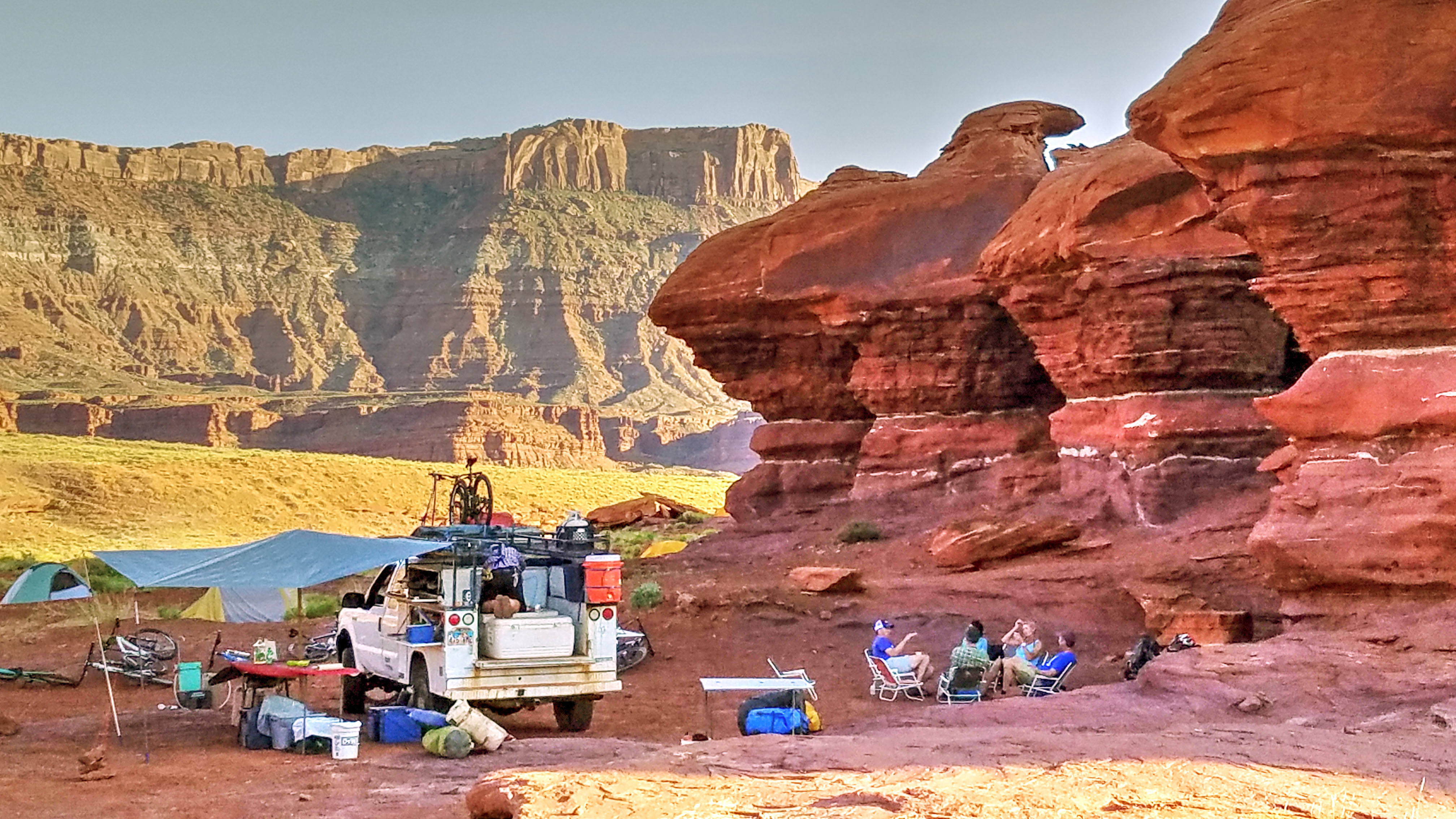
For a multi-day mountain bike tour, you need riding gear (helmet, gloves, hydration pack, riding shoes), layered camp clothing for temperature swings, a warm sleeping bag, and sun/rain protection. The good news: on a supported tour like those offered by Rim Tours, a 4WD support vehicle carries everything, so you can pack generously in a duffle bag rather than agonizing over grams like a bikepacker.

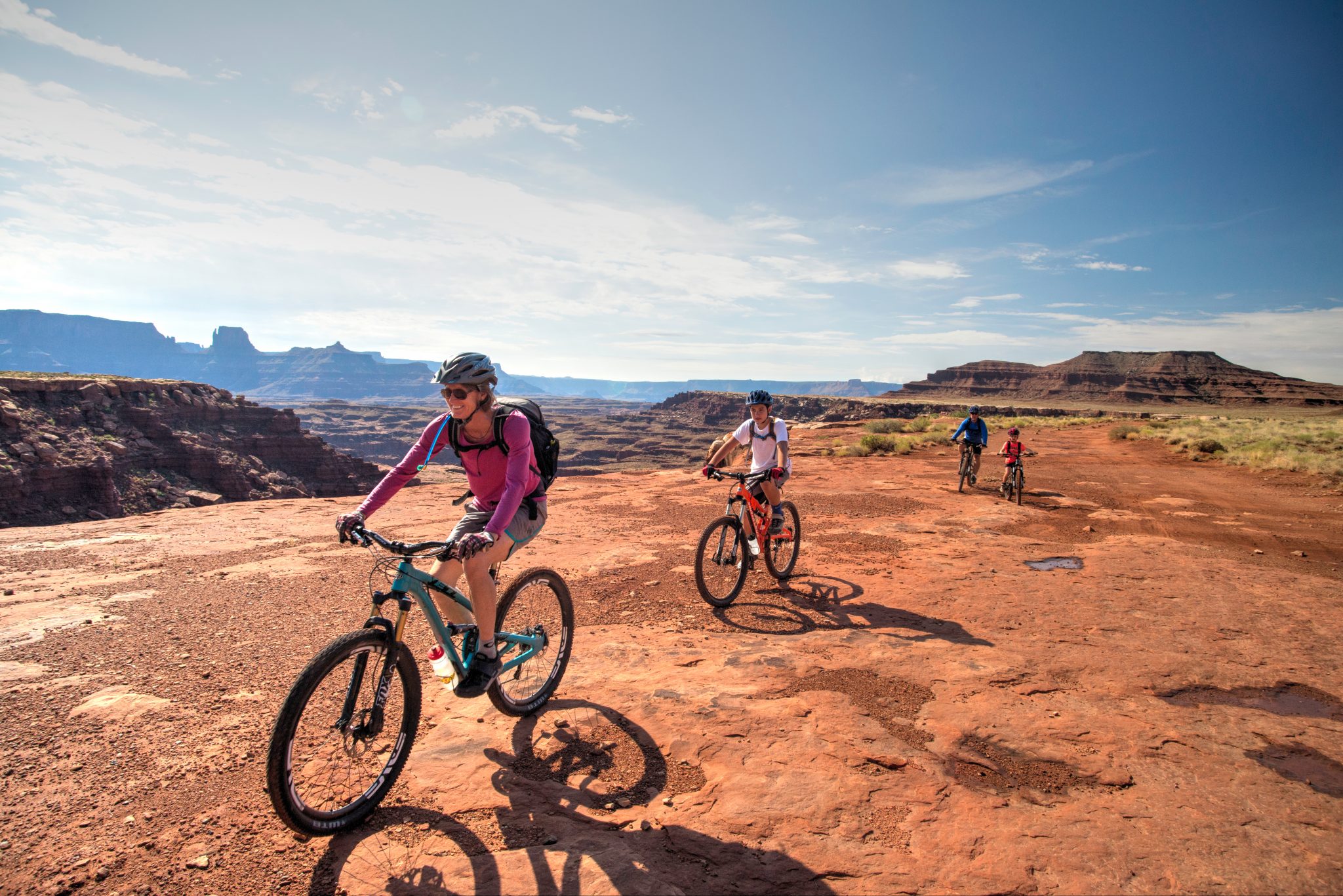
This packing list has been refined over two decades of guiding thousands of riders on multi-day tours like the White Rim Trail and Kokopelli Trail. Every item on this list exists because at some point, a guest wished they had brought it.


Bike Gear โ€” The Essentials

These are the items you will use every day on the trail:

  • Helmet โ€” non-negotiable (provided if renting a bike)
  • Riding shoes โ€” sturdy-soled athletic shoes, lightweight hiking shoes, or trail runners work well. If you use clipless pedals, bring your pedals and shoes.
  • Bike shorts โ€” padded cycling shorts make a huge difference over multiple days in the saddle
  • Riding gloves โ€” full-finger gloves are better protection than half-finger
  • Hydration pack โ€” recommended for all tours; much easier than reaching for bottles on rough terrain
  • Riding jerseys or moisture-wicking T-shirts โ€” plan for one per day
  • Cycling tights or knee warmers โ€” for cold morning starts (especially spring and fall)
  • Eye protection โ€” sunglasses that stay put; dust is constant

Optional but nice to have:

  • Bike repair tools, spare tubes, patch kit, Allen wrenches (optional if renting a bike โ€” your guide carries spares)
  • Chamois cream for multi-day comfort
  • Arm warmers or a lightweight vest for variable conditions

Camp Clothing โ€” The Layer System

Desert temperatures can swing 40-50 degrees between midday sun and pre-dawn chill. The key is layering โ€” multiple thin layers you can add or remove rather than one heavy jacket.

Base layers:

  • Long-sleeve moisture-wicking shirt (merino wool is ideal)
  • Long underwear bottoms (essential for March, April, and October tours)

Mid layers:

  • Fleece jacket or insulated mid-layer
  • Long pants or sweatpants for camp

Outer layers:

  • Rain jacket โ€” fully waterproof, not a poncho. You may need to ride in it.
  • Rain pants โ€” lightweight waterproof pants for riding in wet weather
  • Warm jacket for camp evenings (puffy down or synthetic)
  • Windbreaker for riding in wind

Accessories:

  • Warm hat and full-finger gloves (for camp and cold mornings)
  • Sun hat or visor
  • Bandana or buff (for dust, sweat, sun protection)
  • Underwear and socks โ€” one pair per day is ideal

The golden rule: avoid cotton. Cotton absorbs sweat, dries slowly, and chills you when the temperature drops. Layer polypropylene, fleece, or merino wool instead. You will be far more comfortable across the wide temperature range of desert riding.

Sleeping and Camping Gear

  • Tent with rainfly and ground cover (make sure seams are sealed)
  • Sleeping bag โ€” rated to at least 20 degrees F for spring/fall tours
  • Sleeping pad โ€” self-inflating or foam; this is where comfort matters
  • Pillow โ€” bring your own; not included in rental gear
  • Headlamp with fresh batteries (you will use this every night)

What Rim Tours provides on supported tours:

  • Camp chairs
  • Kitchen and cooking equipment
  • All meals and snacks (our guides are known for exceptional backcountry cooking)
  • Water and water filtration
  • Group first aid kit
  • Awnings and shade structures
  • WAG bags and toilet setup where required

If you are renting camping gear through us, confirm what is included when you book. Sleeping bag, pad, and tent rentals are available.

Toiletries and Miscellaneous

These are the items people most often wish they had remembered:

  • Sunscreen โ€” high SPF, apply and reapply. Desert sun is intense.
  • Lip balm with SPF โ€” your lips will thank you
  • Sunglasses โ€” polarized preferred
  • Insect repellent โ€” gnats and mosquitoes near water sources
  • Towel and biodegradable soap
  • Toothbrush and toothpaste
  • Wet wipes โ€” for freshening up when showers are not available
  • Ear plugs โ€” desert wind can make tent fabric surprisingly loud at night
  • Camera with charged battery and memory card
  • Binoculars โ€” for spotting wildlife and distant formations
  • Swimsuit โ€” for river dips or solar shower
  • Personal medications
  • Small day pack โ€” for side hikes from camp

Extra Shoes

This deserves its own mention because people consistently underestimate it:

  • Camp shoes โ€” sandals or lightweight shoes for around camp. After a day of riding, getting out of your bike shoes feels incredible.
  • Hiking shoes โ€” for side hikes and exploring. Your riding shoes may work, but dedicated hiking shoes with ankle support are better for scrambling on sandstone.

Seasonal Adjustments

Spring (March-April) and late fall (October) additions:

These months bring colder mornings (sometimes near freezing) and the possibility of rain or even light snow:

  • Long underwear top and bottom
  • Heavier warm jacket
  • Warm hat and insulated gloves
  • Extra warm socks
  • Hand and toe warmers (small packets)

Peak spring (May) and early fall (September):

Warmer conditions, but nights still cool:

  • Lighter sleeping bag may work (30-degree rating)
  • Fewer warm layers needed
  • More sunscreen and water capacity

Pro Tips from Our Guides

Pack in a waterproof duffle bag. On supported tours, your gear rides in the back of the truck, and dust and occasional rain are realities. A good duffle keeps everything clean and dry.

Bring one luxury item. A book, a flask of good whiskey, a deck of cards. Camp evenings in the desert are long and beautiful โ€” having something beyond your phone makes them better.

Label your water bottles. In a group, they all look the same.

Break in your shoes before the trip. New riding shoes plus multi-day desert riding equals blisters. Wear them on a few rides at home first.

Check the weather the week before. Moab weather is generally predictable by season, but storms happen. Adjust your layers accordingly and do not skip the rain gear even if the forecast looks clear.

Do not overpack riding clothes, underpack camp clothes. Most people bring too many cycling jerseys and not enough warm layers for evenings. You will spend more time in camp than on the bike.


Frequently Asked Questions

What does Rim Tours provide on a multi-day tour?

On supported multi-day tours, we provide: bikes (if renting), helmets, all meals and snacks, camp chairs, kitchen and cooking gear, water, group first aid kit, 4WD support vehicle, and guide service. Tent, sleeping bag, and sleeping pad rentals are available. You bring personal clothing, toiletries, and any personal camping gear you prefer.

How much luggage can I bring on a supported mountain bike tour?

On our supported tours, there are no strict weight or space limits โ€” the support vehicle carries your gear in waterproof duffle bags. That said, one large duffle bag (about 70-90 liters) plus a small day pack is typical. You do not need to agonize over ultralight packing the way you would for a bikepacking trip.

Do I need to bring my own bike on a multi-day tour?

No. We provide quality rental bikes on all tours. If you prefer your own bike, you are welcome to bring it โ€” just let us know when you book. If you use clipless pedals, remember to bring your pedals and compatible shoes.

What kind of sleeping bag do I need for a White Rim or Kokopelli tour?

A sleeping bag rated to 20 degrees F is recommended for spring and fall tours. Desert nights can drop into the 30s (and occasionally lower in March/April/October). A 30-degree bag is adequate for May and September. Synthetic fill dries faster than down if it gets damp, but down packs smaller.

Should I bring a hydration pack or water bottles?

Hydration pack, every time. On rough 4WD roads, reaching for a frame-mounted bottle is awkward and sometimes unsafe. A hydration pack (2-3 liter capacity) lets you drink hands-free while riding. Bring at least one additional water bottle for camp use.

← Back to all posts