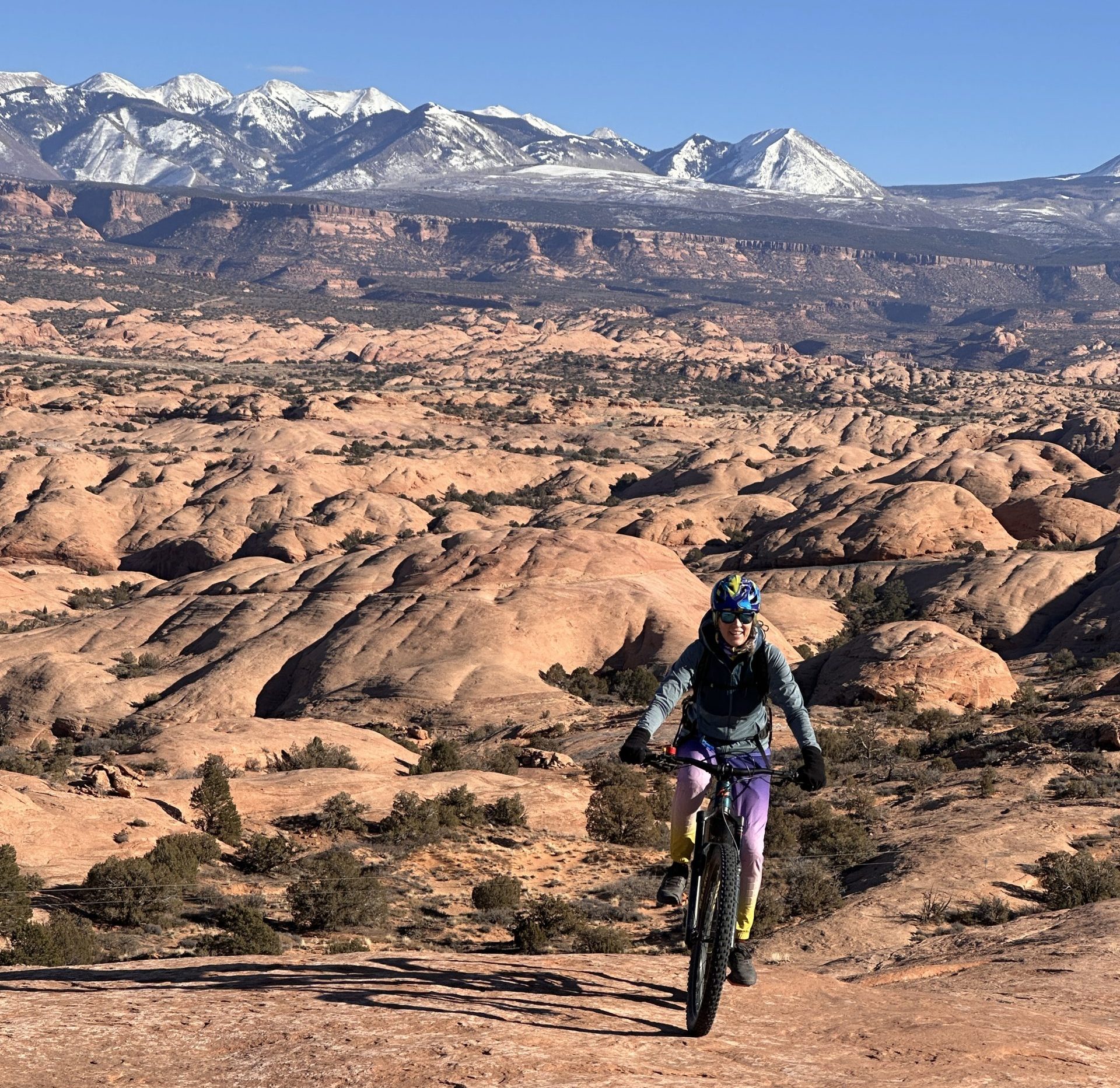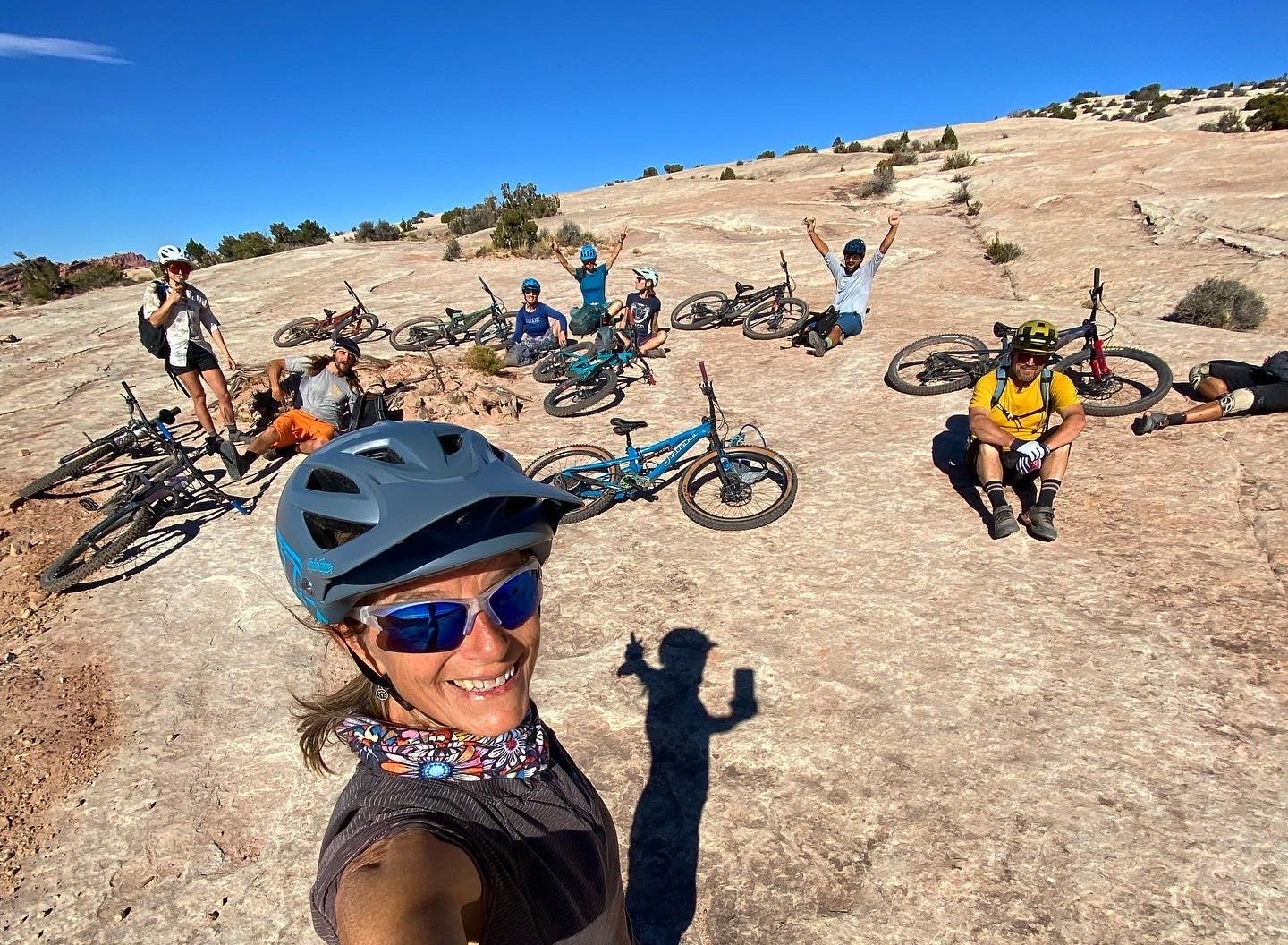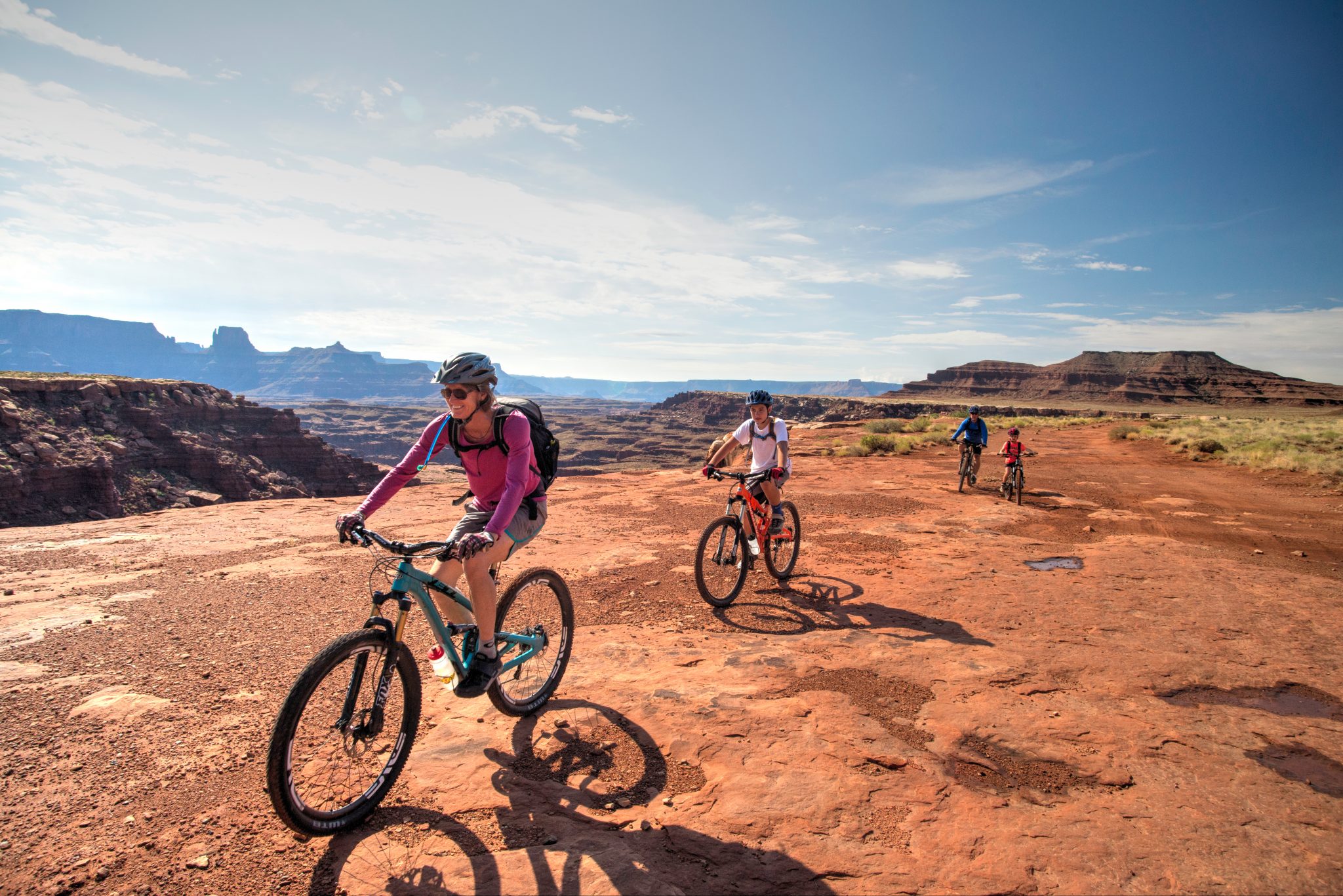
Leave No Trace (LNT) is a set of seven principles for minimizing your impact on natural areas, and in Moab’s fragile desert ecosystem, following these principles is not optional: it is essential to preserving the landscape for future visitors. The Moab desert recovers from damage far more slowly than wetter climates, with footprints in biological soil crust lasting 15-25 years and social trails persisting for decades. Rim Tours has built Leave No Trace practices into every guided tour since we started guiding in the late 1980s, and our expert guides teach these principles actively on the trail.
The 7 Leave No Trace Principles in Moab
1. Plan Ahead and Prepare
Good planning prevents most Leave No Trace failures. When you know the trail, the terrain, and the conditions, you make better decisions in the field.
For Moab-specific planning:
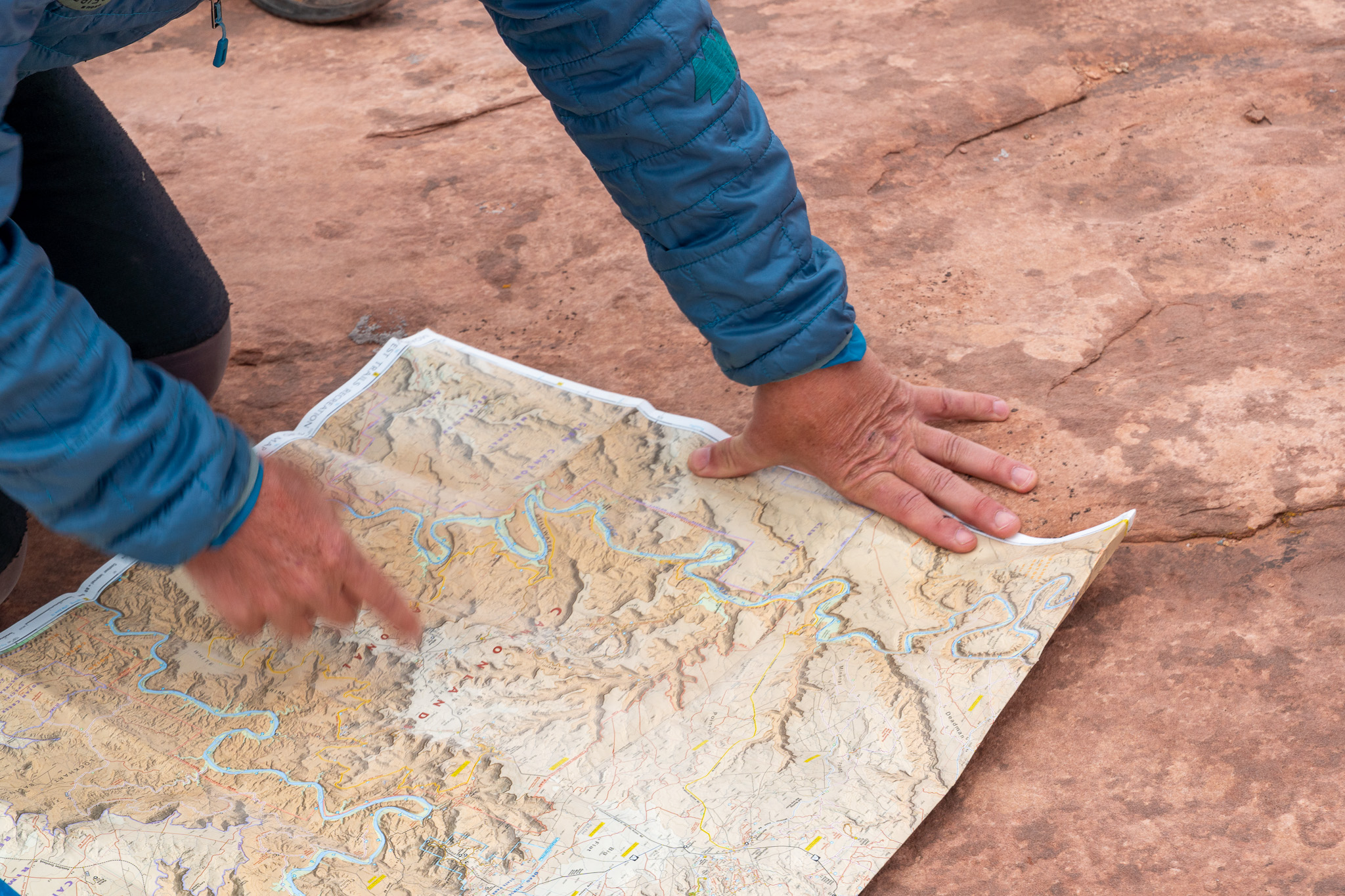
- Research trail difficulty honestly. A “blue” trail in Moab is often harder than a “blue” trail elsewhere. Riding a trail above your skill level leads to off-trail shortcuts and bypasses that damage the desert.
- Check weather forecasts. Riding on saturated trails causes lasting damage. Know when to ride and when to wait.
- Carry enough water (2-3 liters minimum for day rides), sun protection, and repair tools so you are self-sufficient on the trail.
- Know the regulations for the specific area you are visiting. National parks, BLM land, and state parks all have different rules regarding camping, waste disposal, and trail use.
On Rim Tours guided trips, we handle all of this planning for you. Our guides know the terrain, the weather patterns, the regulations, and the best practices for each area. Just read the pre-trip emails and bring the recommended gear.
2. Travel and Camp on Durable Surfaces
In the desert, “durable surfaces” means staying on established trails and camping in designated sites. This principle is especially critical in Moab because of biological soil crust (cryptobiotic soil), the living layer of cyanobacteria, mosses, and lichens that covers much of the undisturbed desert floor.
On the trail:
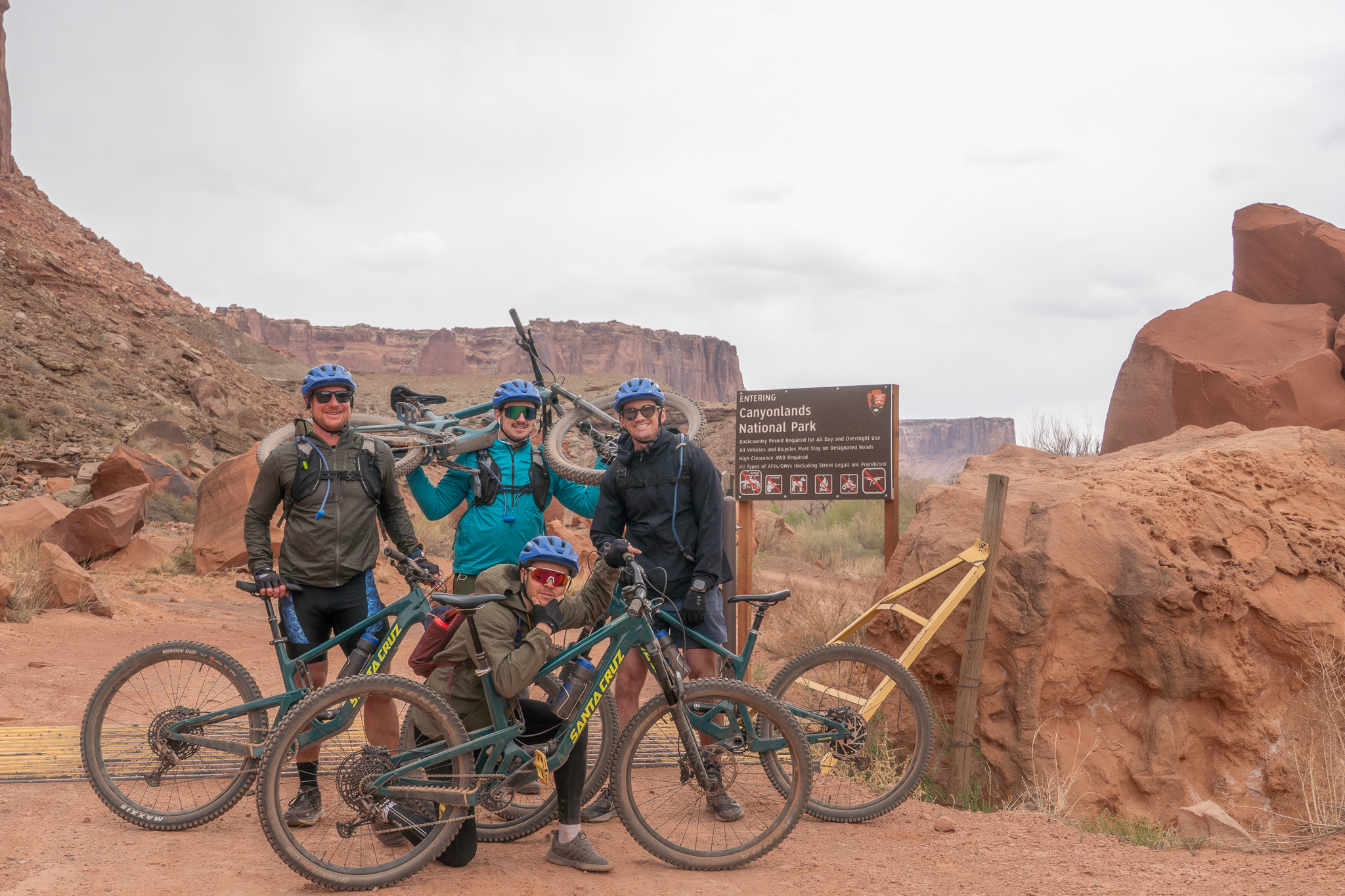
- Stay on the marked trail at all times. Do not ride around obstacles; walk your bike through them.
- When stopping for a break or to let others pass, look for exposed slickrock or sandy washes to stand on.
- When exploring viewpoints off-trail, leave your bike on the trail and walk on rock surfaces or dry washes.
At camp:
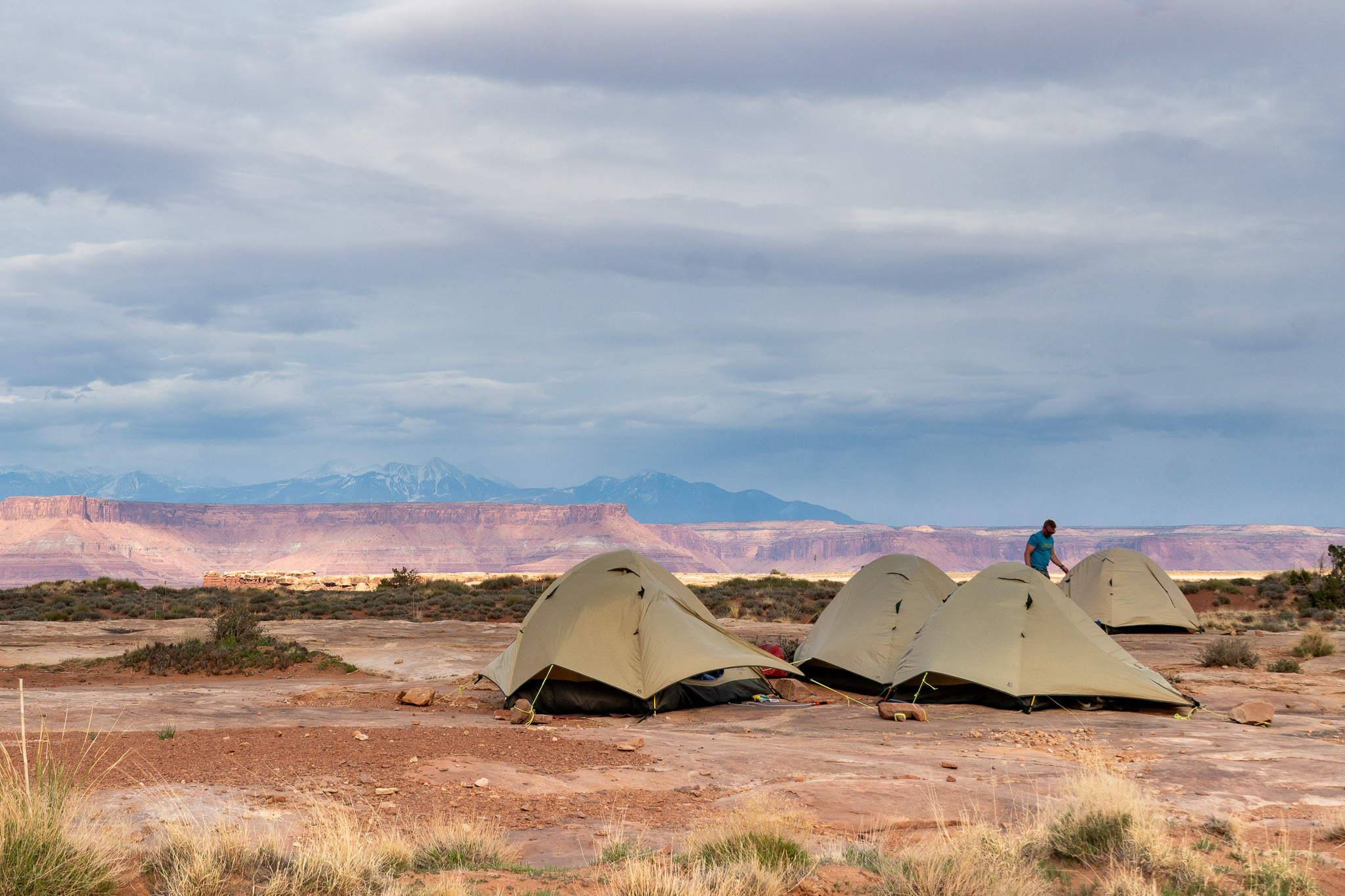
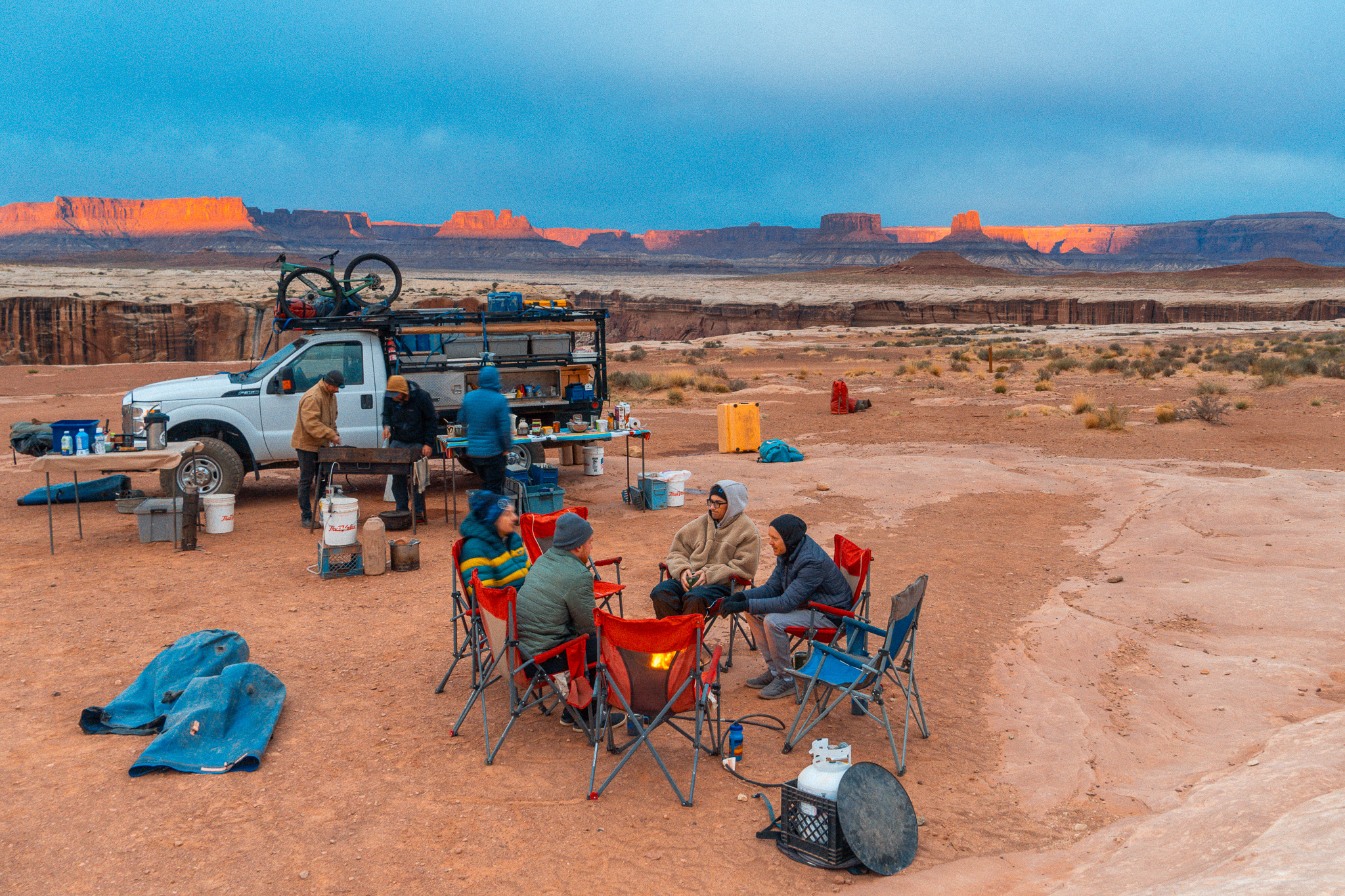
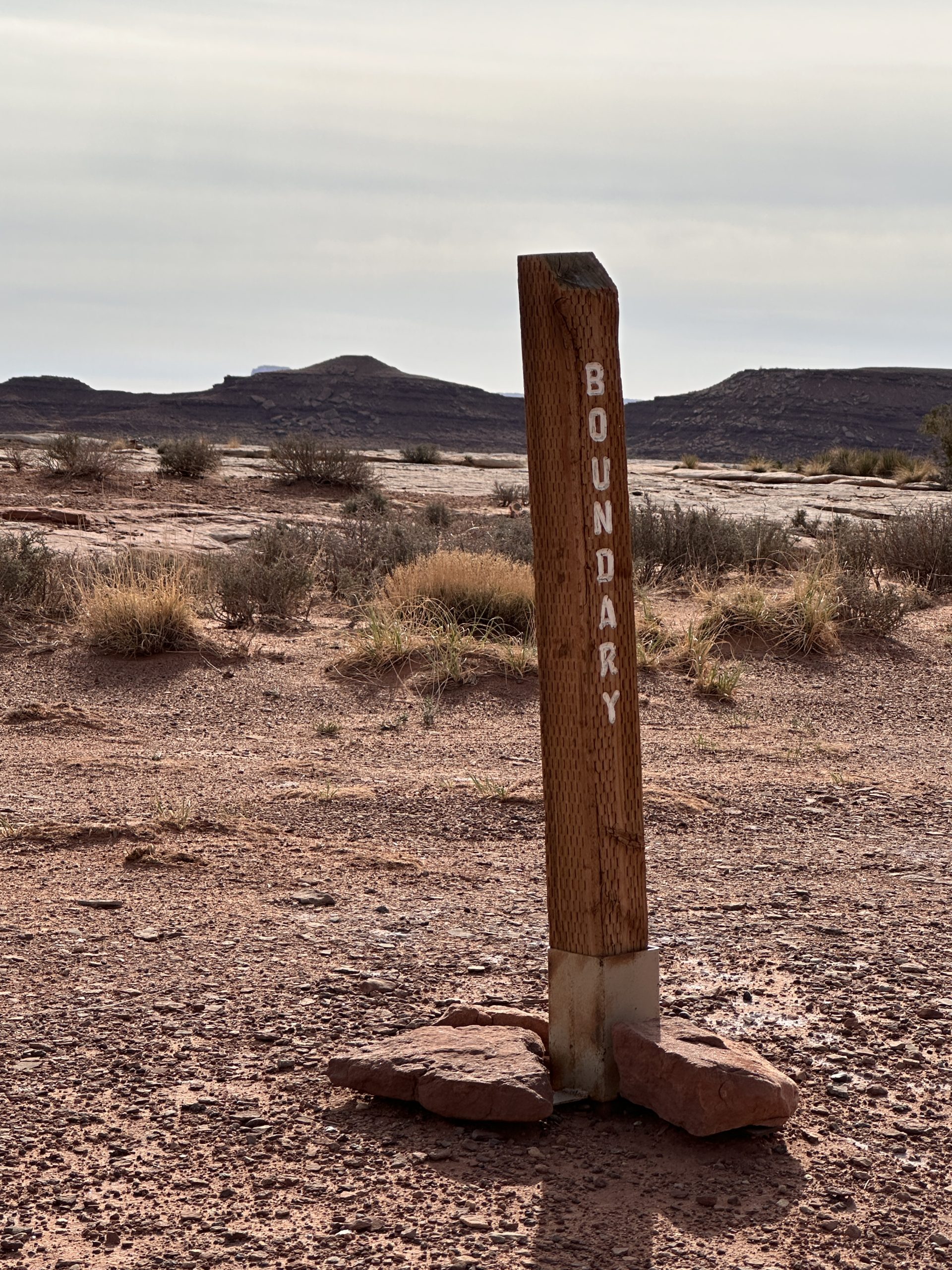
- Camp only in established, designated campsites. On White Rim tours and Maze tours, we use permitted campgrounds within Canyonlands National Park. Our guides know the exact boundaries of each site and help you set up your tent in the right spot.
3. Dispose of Waste Properly
This principle covers everything from snack wrappers to human waste, and both matter in the desert.
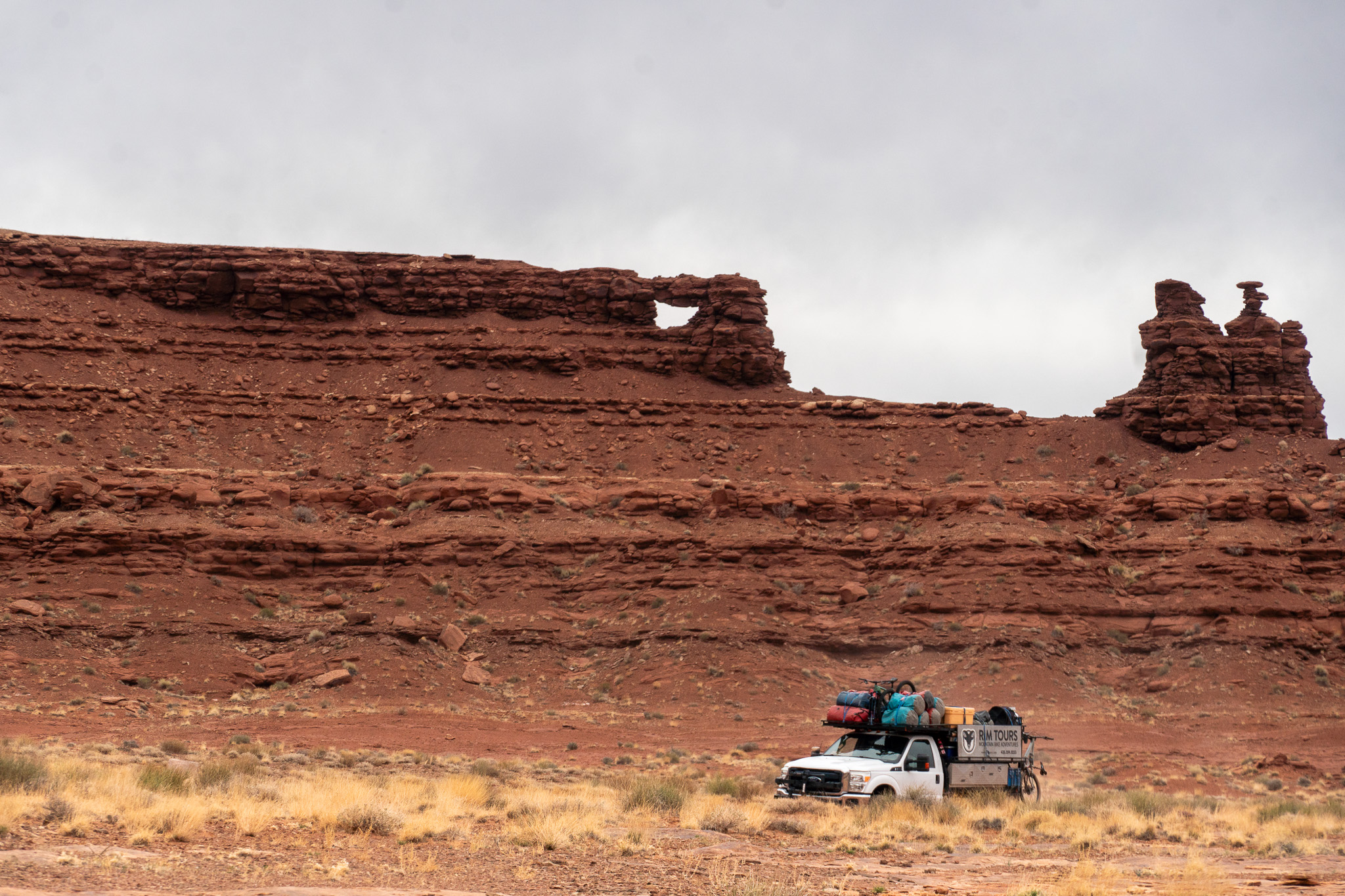
Trash: Pack out everything you bring in. On Rim Tours trips, our support vehicles carry trash receptacles, and we encourage guests to pick up any litter they see on the trail, whether it is ours or not. The most commonly littered items in the backcountry are energy bar wrappers and gel packets, which are small, lightweight, and easily dropped from jersey pockets. Be conscious of securing your wrappers.
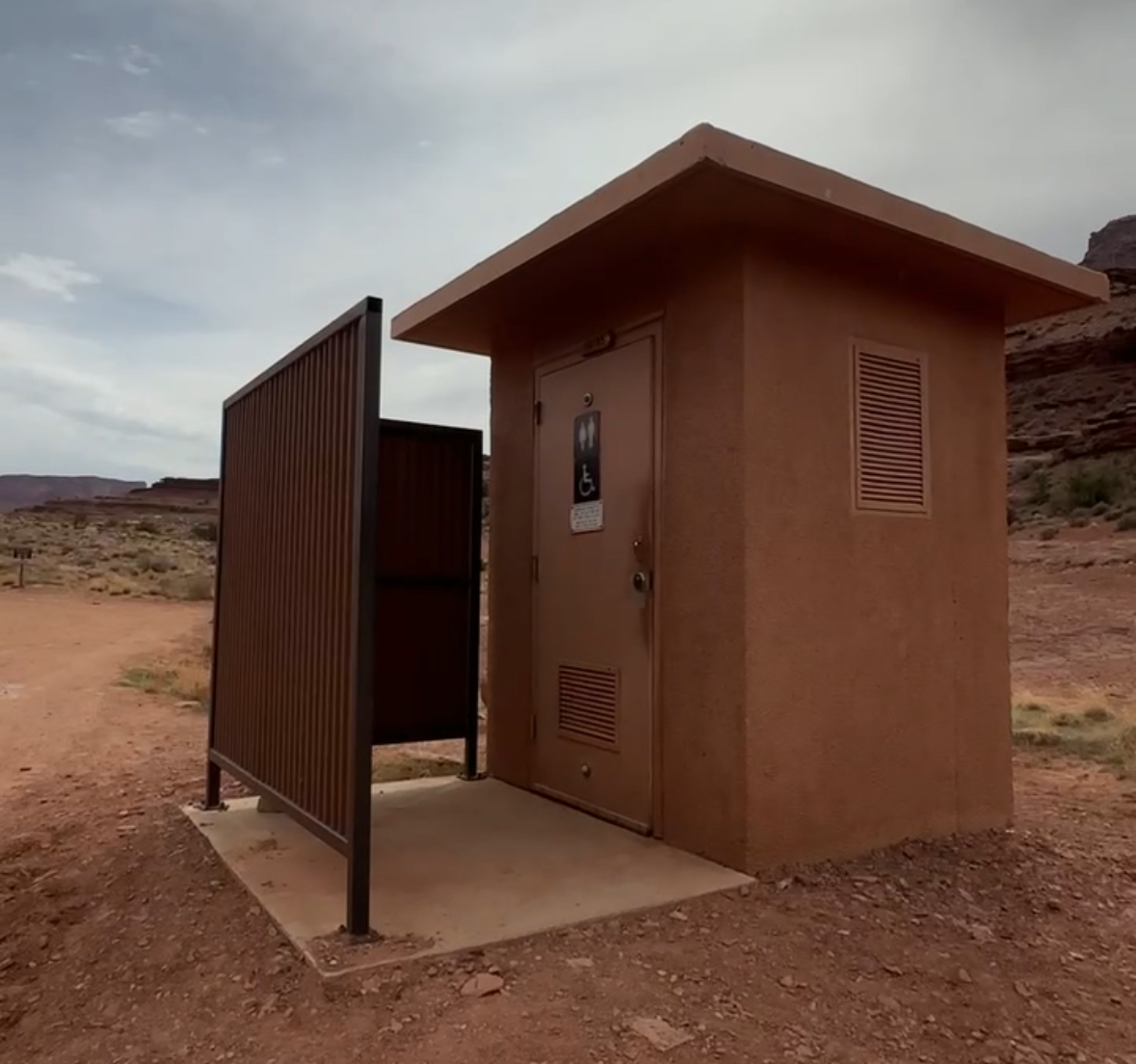
Human waste: Many backcountry areas now require packing out human waste in wag bags. On Rim Tours multi-day tours, we bring a portable toilet (groover) that is packed out at the end of the trip. Where pit toilets exist along the route, we use them. If you are on your own in the backcountry, check the specific regulations for the area. Canyonlands National Park requires wag bags for all backcountry camping.
4. Leave What You Find
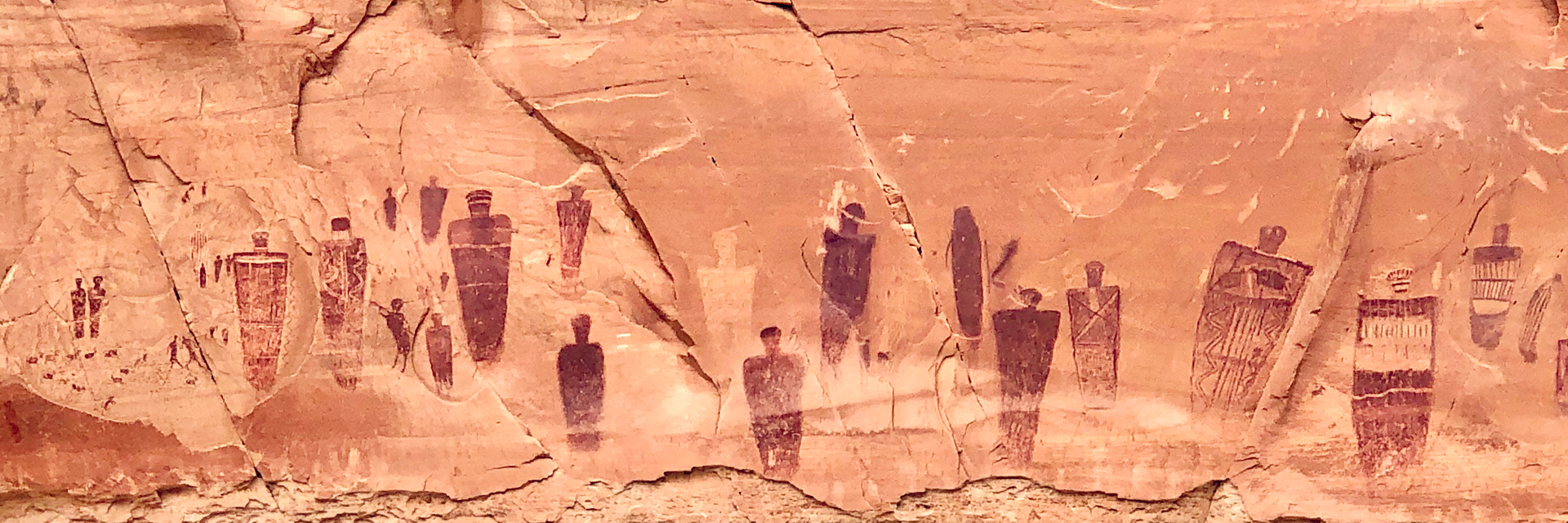
Moab’s canyon country is rich with archaeological sites, fossils, and geological features. Leave them exactly as you find them.
- Do not touch, move, or collect pottery sherds, arrowheads, or other artifacts. These are protected by federal law under the Archaeological Resources Protection Act, and violations carry serious penalties.
- Do not stack rocks (cairns) unless you are following an existing trail marked by cairns. Unofficial cairns create confusion for other visitors.
- Leave plants, rocks, and natural objects in place. Even picking wildflowers removes food sources for pollinators and reduces seed production.
On Rim Tours tours that visit archaeological sites (common on Maze and Needles to Moab tours), our guides provide context and interpretation while ensuring guests understand the importance of not disturbing these irreplaceable sites.
5. Minimize Campfire Impacts
Campfires leave lasting scars in the desert, where wood is scarce and fire rings accumulate over time. Rim Tours minimizes campfire impact in two ways:
- Where campfires are permitted, we use only established fire rings and burn only dead, downed wood.
- On most tours, we bring a propane fire pit instead of building a wood fire. These portable gas fire pits provide warmth and ambiance with virtually zero ground impact. No ash, no charred rock, no depleted firewood supply.
If you are camping independently, check fire regulations before lighting any fire. During dry periods, fire bans are common across the Moab area.
6. Respect Wildlife
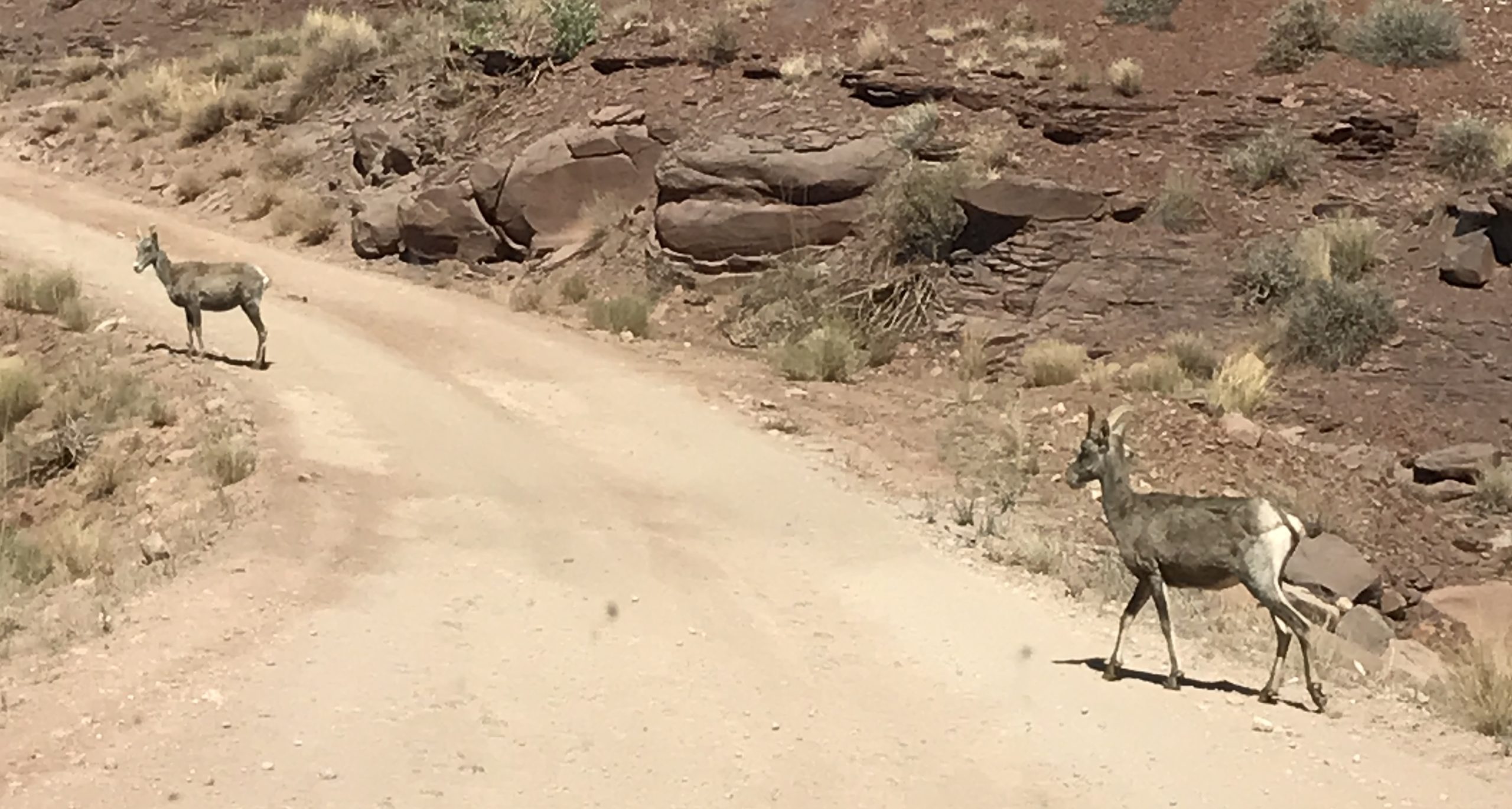
The Moab desert supports a diverse community of wildlife, from bighorn sheep and mule deer to raptors, lizards, and rattlesnakes. Responsible wildlife interaction means:
- Observe from a distance. Do not approach, follow, or feed wildlife.
- Keep food secured in vehicles or hung from trees to avoid attracting animals to camp.
- Be quiet and move deliberately when wildlife is present. Sudden movements and loud noises cause stress.
- Watch where you put your hands and feet, especially when climbing on rocks or reaching into crevices. Rattlesnakes are present in the Moab area, particularly in warmer months.
7. Be Considerate of Other Visitors
The trails and backcountry of Moab are shared spaces. Being considerate means:
- Yield to uphill riders and hikers. Downhill riders should stop and let uphill traffic pass.
- Keep noise levels reasonable, especially in camp and at popular viewpoints.
- Give other groups space at viewpoints and rest areas.
- Follow posted trail etiquette signs regarding direction of travel and right-of-way.
Why Leave No Trace Matters More in the Desert
Every ecosystem benefits from Leave No Trace practices, but desert environments are uniquely vulnerable. The combination of low moisture, extreme temperatures, sparse vegetation, and fragile soil crusts means that damage takes far longer to heal than in temperate or tropical environments. A tire track across a patch of biological soil crust in Moab may be visible for a generation. A social trail created by a few careless riders can persist for decades.
The irony is that the very beauty that draws millions of visitors to Moab is exactly what those visitors can destroy through careless recreation. The pristine desert, the undisturbed archaeological sites, the clean waterways, the thriving wildlife all depend on each visitor making the choice to leave no trace.
Frequently Asked Questions
Does Rim Tours follow Leave No Trace on all tours?
Yes. Leave No Trace principles are integrated into every Rim Tours guided experience, from day tours to multi-day backcountry trips. Our guides teach LNT practices actively and model responsible behavior throughout the trip. We carry all waste out, use established campsites, minimize fire impact, and stay on designated trails.
What is biological soil crust and how do I avoid damaging it?
Biological soil crust (also called cryptobiotic soil) is a living layer of microorganisms that covers much of the undisturbed desert floor. It appears as a dark, bumpy, or lumpy surface on the soil, sometimes with a slight crust. Avoid stepping or riding on it by staying on established trails and using rock surfaces or sandy washes when you need to go off-trail.
What should I do if I see someone violating Leave No Trace principles?
A friendly, non-confrontational conversation is usually effective. Many people damage the desert out of ignorance rather than malice. A simple “Hey, that dark bumpy soil is actually alive and takes decades to grow back” can change behavior. For serious violations (damaging archaeological sites, creating new trails, illegal dumping), report to the BLM Moab Field Office at (435) 259-2100.
Where can I learn more about Leave No Trace?
The Leave No Trace Center for Outdoor Ethics offers online courses, certifications, and detailed guidance for different environments. Their desert-specific guidelines are particularly relevant for Moab visitors.