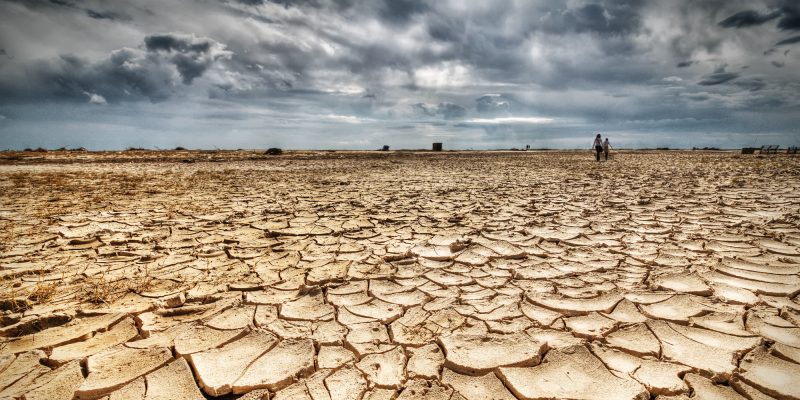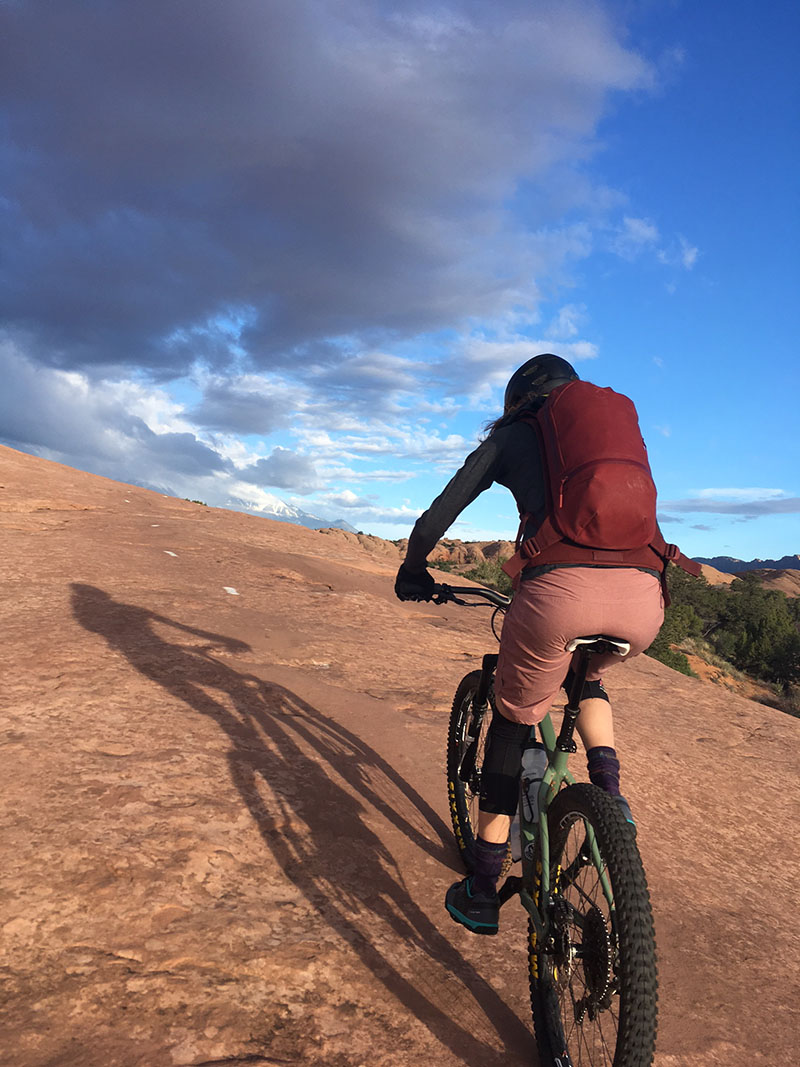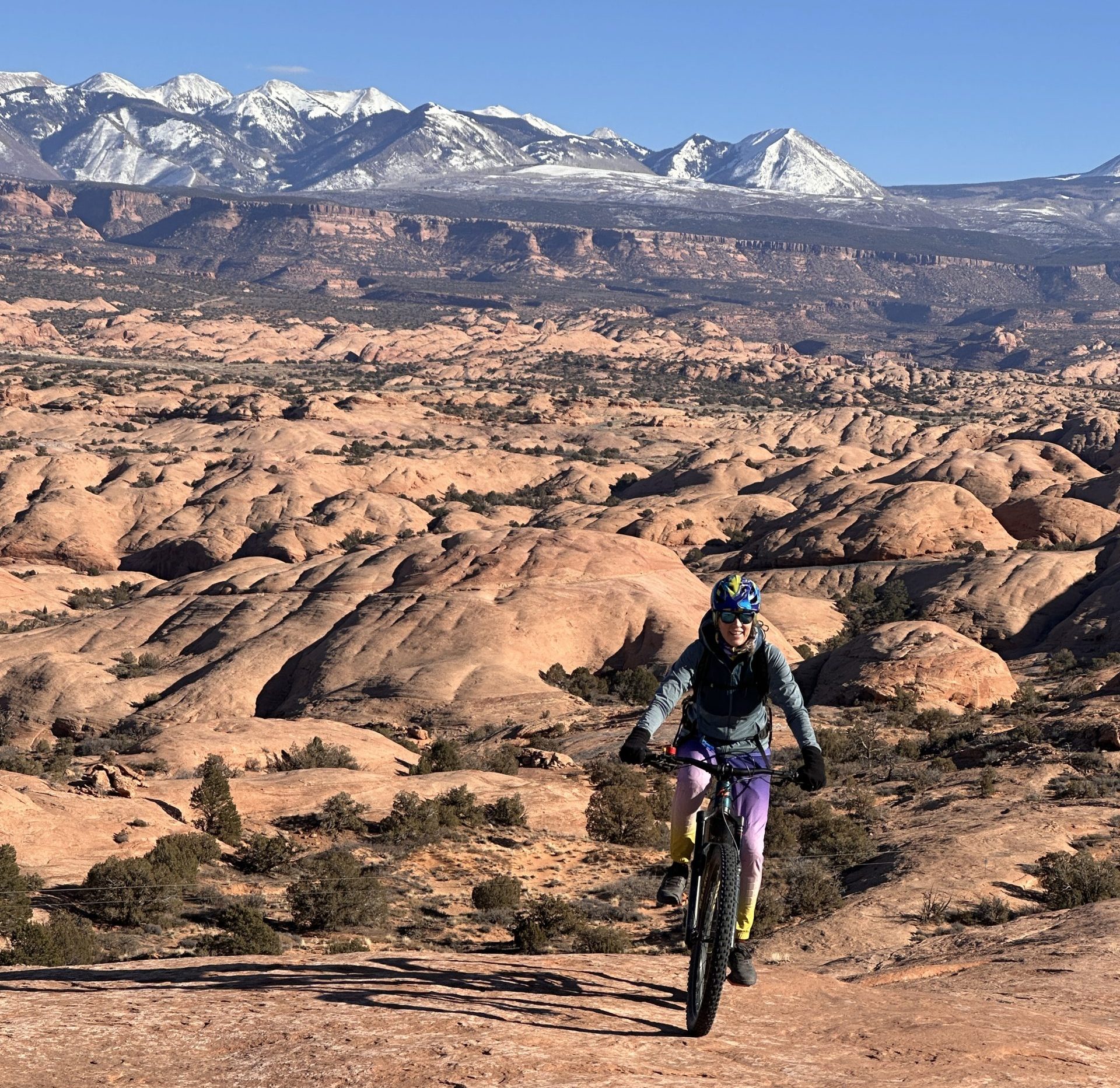
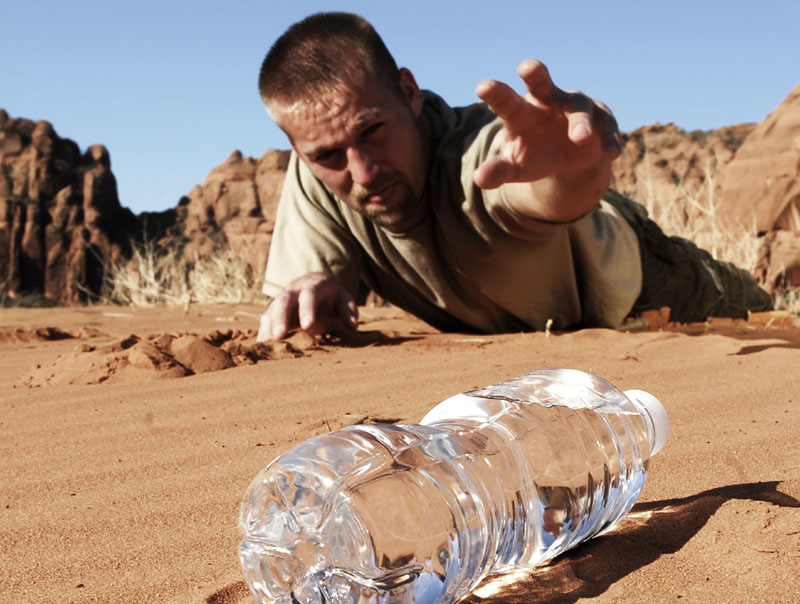
The single most important thing you can do to stay safe while visiting Moab is drink far more water than you think you need, starting well before you feel thirsty. Moab’s combination of extreme heat (regularly exceeding 100°F from May through September), extremely low humidity (20-30% on average), and invisible perspiration creates conditions where dehydration can progress from “I feel fine” to “I need an IV” in just a few hours. People have died from dehydration in the Moab area. This is not hypothetical; it is a documented, recurring risk that catches visitors off guard every year.
Why Moab’s Climate Is Uniquely Dangerous
Most visitors arrive in Moab from climates with 50-80% humidity. In those conditions, your body cools itself by sweating, and you can see and feel the perspiration on your skin, which serves as a built-in warning system that you are losing fluids.
Moab’s desert plateau operates on different physics. With humidity averaging just 20-30% from May through September, your body’s evaporative cooling system works so efficiently that sweat evaporates the instant it reaches your skin. You do not see it. You do not feel it. Your body is losing water at an accelerated rate, 24 hours a day, and you may have no idea it is happening.
This invisible perspiration is both a blessing and a curse. The blessing: 95°F in Moab can feel more comfortable than 85°F in a humid city, because your body cools efficiently. The curse: you are losing water much faster than you realize, and by the time thirst kicks in, you are already significantly dehydrated.
The dry air also strips moisture from your body through respiration. Every breath you take in desert air is humidified by your lungs before you exhale it, pulling water out of your body continuously. Between skin evaporation and respiratory moisture loss, you can lose 1-2 liters of water per hour during vigorous activity in Moab’s summer conditions.
How Much Water Do You Actually Need?
The baseline recommendation from the National Academies of Sciences, Engineering, and Medicine for a normal climate is:
- Men: approximately 3.7 liters (about 15.5 cups) of fluids daily
- Women: approximately 2.7 liters (about 11.5 cups) of fluids daily
That is for sitting at a desk in a temperate climate. In Moab, during outdoor activities in summer heat, you should plan for significantly more. On our day tours, Rim Tours recommends riders carry at least 3 liters of water for longer rides, and we provide additional water at support stops.
Here is a practical framework:
- Before your activity: Drink 500ml (about 2 cups) in the hour before heading out. Start hydrated.
- During activity: Drink 200-300ml every 15-20 minutes, whether you feel thirsty or not. Set a timer on your watch if needed.
- Evening: Drink generously with dinner and before bed. Your body continues to lose moisture overnight through breathing.
- Morning: Drink a full glass of water first thing when you wake up, before coffee or food.
The goal is to never fall behind. If you wait until you are thirsty to start drinking, you are already in a hydration deficit that takes time and effort to recover from.
Recognizing Dehydration
Dehydration develops on a spectrum, and recognizing the early signs lets you intervene before it becomes dangerous:
Mild dehydration: Thirst, dry mouth, slightly dark urine, mild headache. At this stage, drinking water will resolve the issue within 30-60 minutes.
Moderate dehydration: Strong thirst, noticeable fatigue, dizziness when standing quickly, reduced urine output, cramping. You need to stop activity, find shade, and drink steadily. Adding electrolytes (salt, sports drink) helps your body absorb and retain the water.
Severe dehydration: Confusion, rapid heartbeat, very dark or no urine output, fainting, inability to sweat despite heat. This is a medical emergency. Call 911 or get to the emergency room. Severe dehydration can lead to organ failure and death if untreated.
A simple self-check: monitor the color of your urine. Pale yellow to clear means you are well-hydrated. Dark yellow or amber means you need to drink more immediately. If you are not urinating at all, you are in serious trouble.
Electrolytes Matter Too
Drinking plain water is essential, but if you are sweating heavily during vigorous activity, you are also losing sodium, potassium, and other electrolytes. Drinking large quantities of plain water without replacing electrolytes can lead to hyponatremia (low blood sodium), which has its own set of dangerous symptoms.
The simple solution: add an electrolyte tablet or powder to one of your water bottles, snack on salty foods during the day, and eat regular meals. Sports drinks, electrolyte tablets (Nuun, LMNT, Liquid IV, etc.), and even a pinch of salt in your water bottle all help. On Rim Tours multi-day tours, our guides provide electrolyte-supplemented beverages and salty snacks as part of the standard supplies.
What to Carry Your Water In
For mountain biking and hiking in Moab, a hydration pack (backpack with a built-in water bladder) is the most practical option. Major brands include CamelBak, Osprey, and Gregory. A 2-3 liter bladder with a bite valve lets you drink hands-free while riding, which means you actually drink more than you would if you had to stop and reach for a bottle.
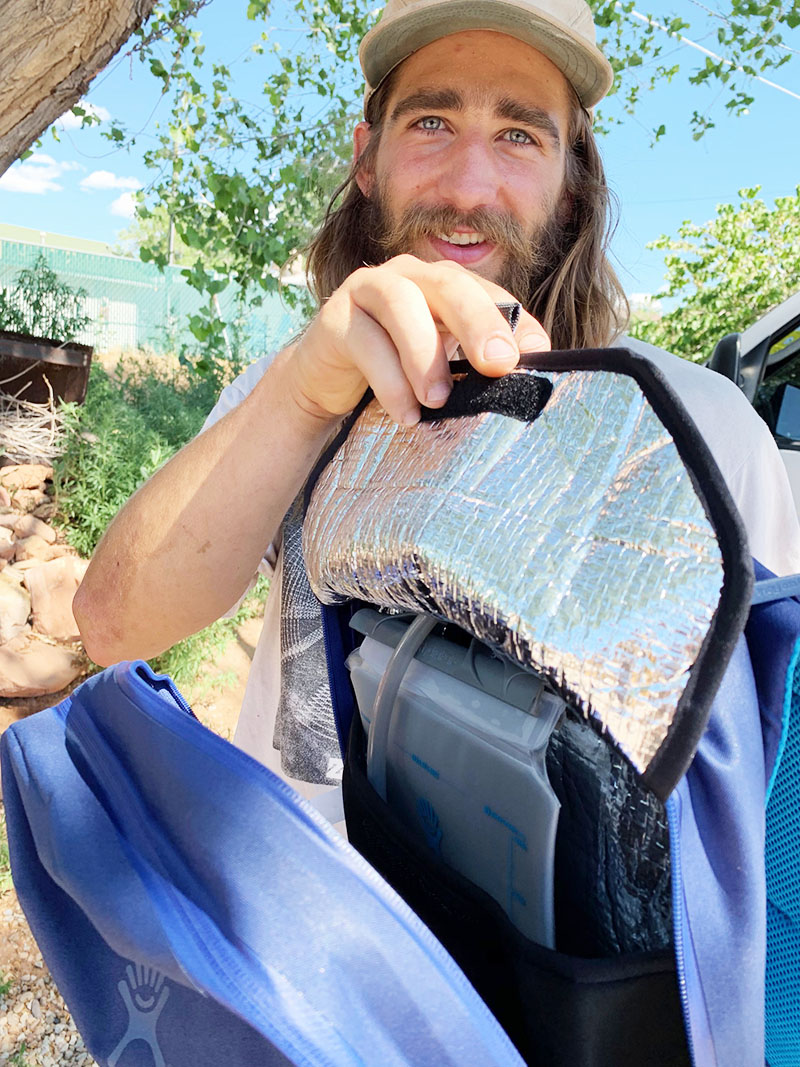
For summer rides, consider a pack with an insulated hydration compartment. Brands like Hydroflask offer packs that keep water cool for hours, which makes a real difference when the ambient temperature is over 100°F. Cold water is more refreshing and most people drink more of it.
Supplement your pack with a water bottle on your bike frame for easy access and extra capacity. On full-day rides in summer, carrying 3+ liters is not excessive; it is the minimum.
Hydration Strategies on Rim Tours Trips
On every guided Rim Tours trip, hydration management is a core part of the experience:
- Day tours: We recommend carrying 2-3 liters depending on ride length and season. Our guides carry extra water and monitor guests for signs of dehydration throughout the ride.
- Multi-day tours: We carry ample water in support vehicles. Camp locations are chosen with water access in mind. Guides prepare electrolyte beverages and ensure regular hydration breaks during rides.
- Summer rides: We start early to avoid peak heat, take extended shade breaks during midday, and adjust ride plans based on temperature forecasts.
Our guides have decades of combined experience managing hydration in the desert. They have seen dehydration in all its stages and know how to prevent it. Trusting their advice on water intake is one of the best things you can do for your safety and enjoyment.
Frequently Asked Questions
How much water should I bring on a half-day mountain bike ride in Moab?
Carry a minimum of 2 liters for a half-day ride (3-4 hours). In summer (June-September), bring 3 liters. You may not drink it all, but having extra is always better than running out. Our guides carry supplemental water, but self-sufficiency is the safest approach.
Is tap water in Moab safe to drink?
Yes. Moab’s municipal water comes from wells and is treated and tested. It is safe to drink and tastes fine. Fill up your bottles and hydration pack from any tap in town before heading out.
Can I drink too much water?
Yes, though it is far less common than dehydration. Hyponatremia (low blood sodium from excessive water intake without electrolyte replacement) is a risk during very long, hot activities. The prevention is simple: eat salty snacks, use electrolyte supplements in at least some of your water, and eat regular meals. Do not force yourself to drink beyond comfort, but do not wait for thirst either.
What are the hottest months in Moab?
June, July, and August are the hottest months, with average highs around 100-105°F and occasional days reaching 110°F+. May and September can also see days in the 90s and low 100s. Spring (March-April) and fall (October-November) are the most comfortable seasons for outdoor activity, with highs in the 60s-80s.
Should I drink coffee or alcohol while visiting Moab?
Both are mild diuretics, meaning they promote fluid loss. Enjoy them in moderation, but do not count them toward your daily water intake. For every cup of coffee or alcoholic drink, add an equivalent amount of water to your daily intake. On multi-day Rim Tours trips, our guides brew excellent camp coffee every morning, and we encourage guests to pair it with plenty of water.