
Fall Mountain Biking in Moab and Southeast Utah

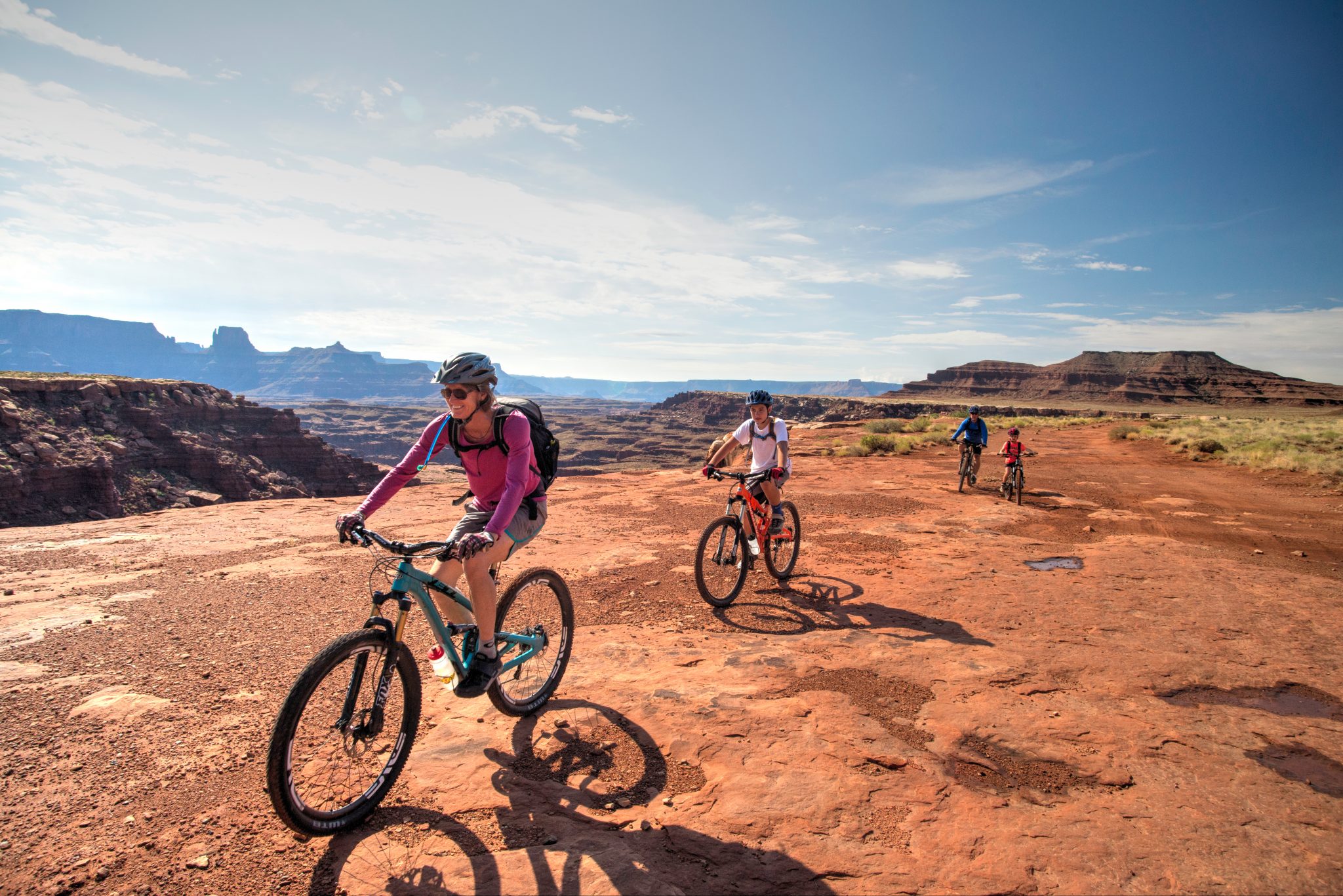
Fall is the premier season for mountain biking in Moab and southeast Utah, with daytime temperatures dropping from summer’s triple digits into the ideal 60-80°F range, shorter but still generous daylight hours, and occasional rain that creates legendary “hero dirt” conditions on the trails. September through November draws crowds that rival spring’s peak season, and for good reason: the riding is simply better. Rim Tours has been guiding fall rides in this terrain for over three decades, and we consider it the best time of year to be on two wheels in canyon country.

Why Fall Is Moab’s Best Riding Season

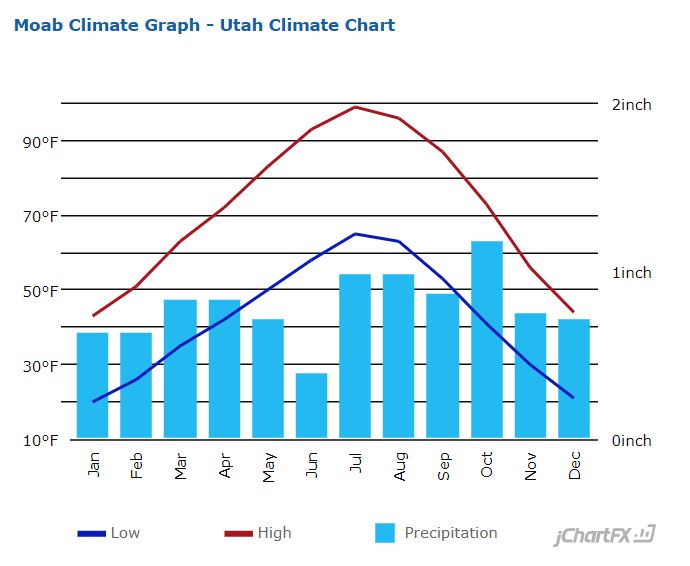
The math is simple. Summer temperatures in Moab regularly exceed 100°F, making midday riding dangerous and even morning rides uncomfortably hot. By mid-September, daytime highs settle into the 70s and 80s, while nights drop into the 40s and 50s. This temperature sweet spot means you can ride all day without overheating, and the cool mornings make early starts a pleasure rather than a necessity.

The air remains extremely dry (humidity averages 20-30% even in fall), which means temperatures in the 80s feel comfortable. But that dry air also means dehydration is still a real concern. Carry at least 2-3 liters of water on any ride, even when temperatures feel moderate.

October is actually Moab’s wettest month on average, though “wettest” in the high desert still means only about an inch of precipitation. When rain does come, it packs down the sandy sections of trail and creates perfect riding conditions on routes like Navajo Rocks, Amasa Back, and the Slickrock Trail.

Fall Colors in the La Sal and Abajo Mountains

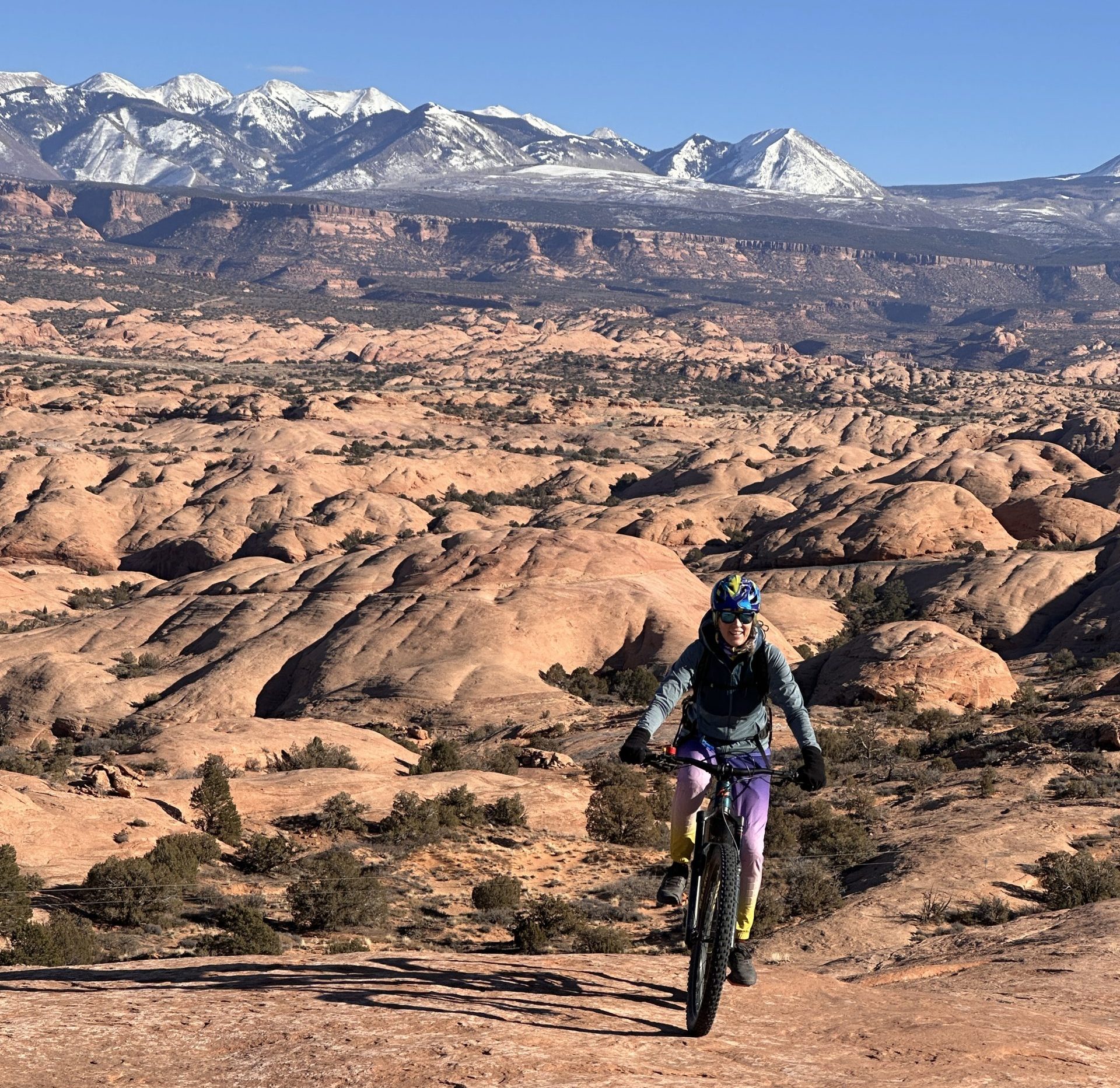
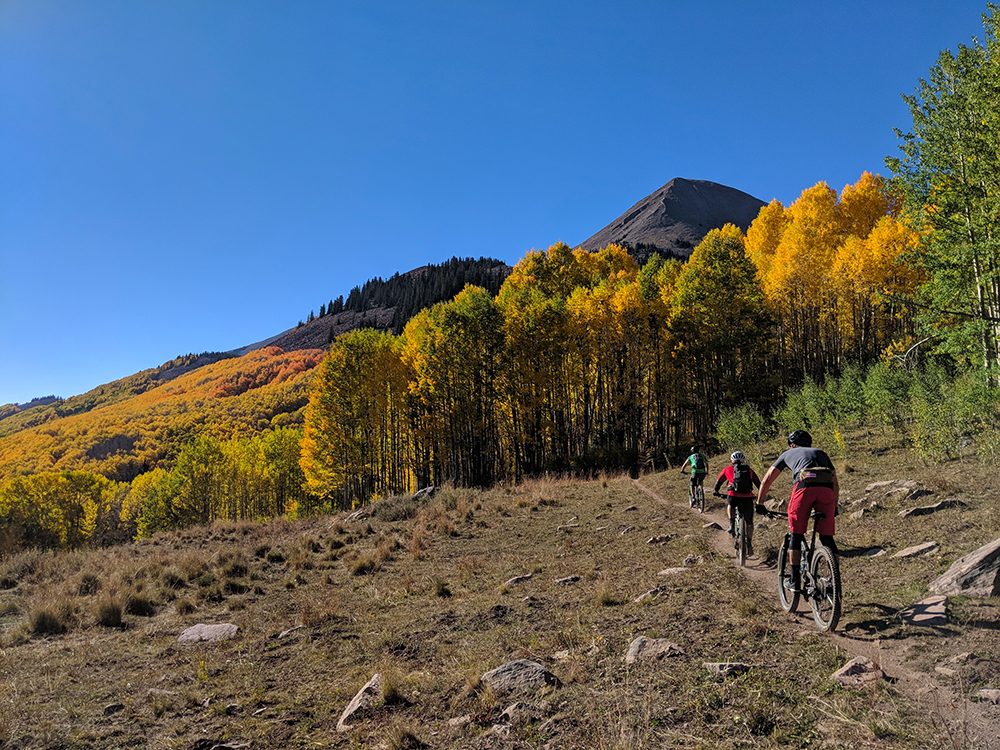
One of Moab’s secret attractions in fall is the color show in the surrounding mountains. The La Sal Mountains, rising to over 12,000 feet just 15 miles southeast of town, put on a spectacular display from late September through mid-October. Entire groves of quaking aspen turn brilliant gold, while Gambel oaks shift to deep orange and red. If you ride the Whole Enchilada, which starts above 10,000 feet in the La Sals, you will pedal through tunnels of golden aspen on the Burro Pass trail before descending through multiple ecosystems down to the Colorado River at 4,000 feet.

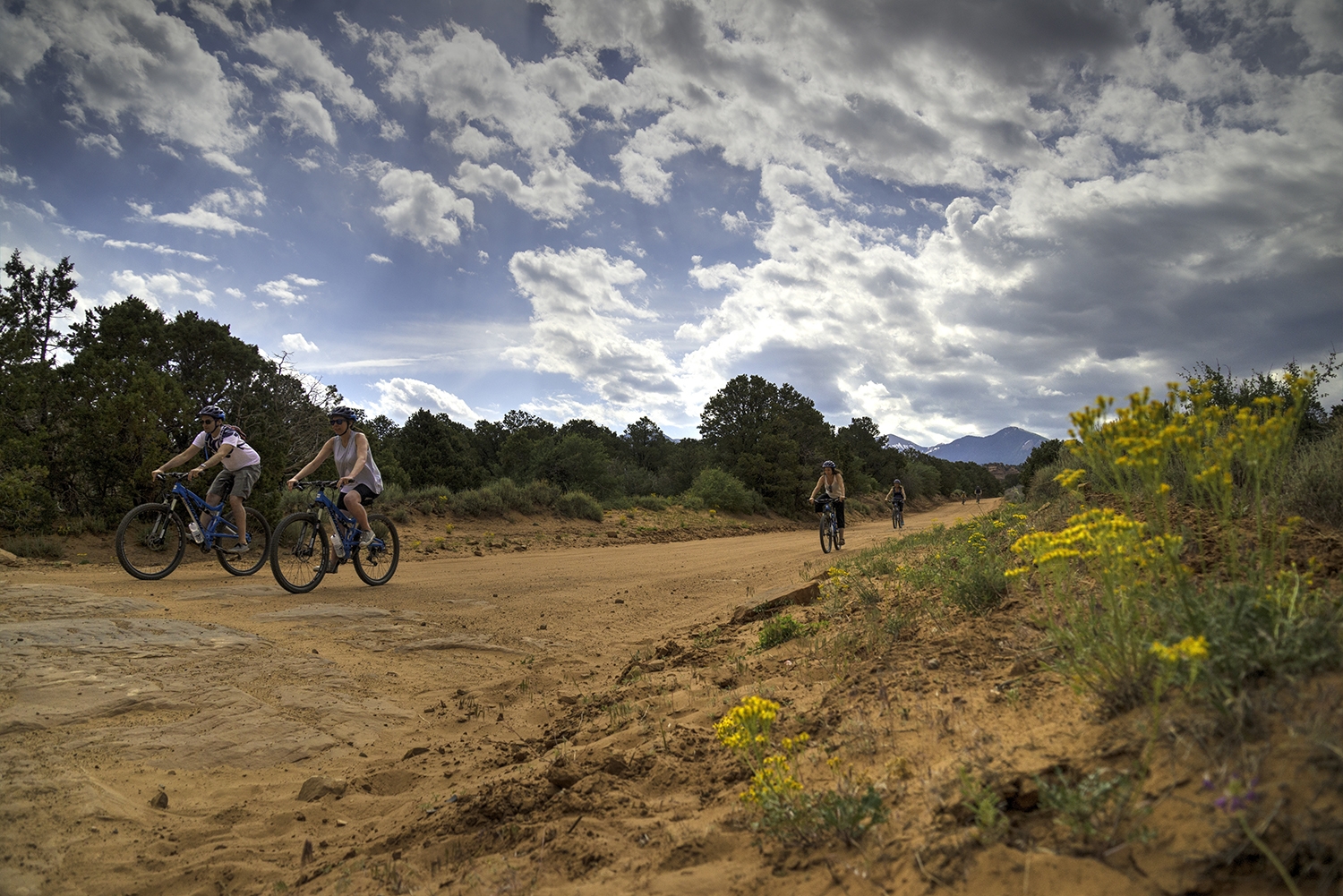
Down in the canyons, cottonwood trees along the waterways glow golden in the October sun. The desert floor comes alive too: globemallow, aster, prince’s plume, cliffrose, rabbitbrush, and sunflower all bloom during the fall months, adding splashes of color to the red rock landscape.

The Abajo Mountains south of Moab near Monticello offer similar fall color, and the mountain bike trails around that area (accessible from the town of Monticello, about 50 miles south) are excellent and significantly less crowded than Moab’s main trail systems.

Safety Tips for Fall Riding in Moab

Hydration Still Matters

Even though temperatures are cooler, the air is bone-dry. You lose moisture rapidly through invisible perspiration. Drink before you are thirsty and carry more water than you think you need. On our day tours, we recommend a minimum of 2 liters for half-day rides and 3 liters for full-day outings.

Watch the Daylight

Days shorten rapidly through fall. Sunset moves from 7:01 PM on October 1 to 6:19 PM by month’s end, and by November it is well before 6:00 PM. Plan your rides accordingly and carry a light if there is any chance you will be out near dusk. Our guides always carry emergency lighting and build time buffers into ride plans.

Flash Flood Awareness

October’s increased precipitation comes in the form of thunderstorms that can dump heavy rain on a small area very quickly. Flash floods are a real danger in canyon country, particularly in narrow drainages and wash crossings. Before heading out, check the weather forecast. If storms are possible, avoid riding in or near dry washes and narrow canyon bottoms. If you see dark clouds building, move to higher ground. Flash floods can travel miles from the storm that created them, so you do not need to see rain to be at risk.

Wet Trail Protocol

When it does rain, the desert trails need time to dry. Riding on saturated soil causes lasting damage to the trail surface, creating ruts and braids that take years to recover in this arid climate. The local rule is simple: “If you leave a track, turn back.” If trails are too wet, pivot to slickrock-heavy routes like Slickrock Trail or Amasa Back, which drain quickly and ride great when damp.

Best Fall Rides in the Moab Area

  • Whole Enchilada — The iconic 26-mile descent from 11,200 feet to the Colorado River. The sweet spot is mid-September through late October before snow closes the upper trails. Fall colors through the aspens are unforgettable.
  • White Rim Trail (3 or 4 days) — Perfect fall multi-day tour with moderate temperatures ideal for the exposed desert terrain of Canyonlands.
  • Navajo Rocks — Beautiful slickrock and dirt singletrack with views of Monitor and Merrimac buttes. Rides exceptionally well after fall rain.
  • Dead Horse Point — Intermediate singletrack 2,000 feet above the Colorado River with panoramic views that are especially stunning in fall light.
  • Magnificent 7 — A full-day singletrack adventure that is best enjoyed when temperatures allow all-day riding.

Exploring Beyond Moab: Monticello and the Abajos

The trails around Monticello, about an hour south of Moab, are an excellent and uncrowded alternative. The town sits at 7,000 feet at the base of the Abajo Mountains, so temperatures are even cooler than Moab. The local bike shop, Roam Industry, can provide current trail conditions and route recommendations. Consider combining a few days in Moab with a day or two in the Monticello area for a more complete southeast Utah experience.

Why a Guided Tour Makes Sense in Fall

Fall conditions in Moab are dynamic. Weather can change quickly, trail conditions vary from day to day, and the shorter days leave less margin for navigational errors or mechanical issues. A guided mountain bike tour with Rim Tours means you ride with someone who checked trail conditions that morning, knows which routes drain fastest after rain, carries tools and spares, and has decades of experience reading the desert weather. It is the most efficient way to maximize your limited fall riding days.

Frequently Asked Questions

When is the best month to mountain bike in Moab in fall?

October is generally the sweet spot. September can still have warm days in the 90s, and November brings shorter days and the possibility of cold fronts. Mid-September through late October offers the best combination of comfortable temperatures, fall colors, and trail access.

Is the Whole Enchilada open all fall?

The Whole Enchilada’s upper sections (Burro Pass, starting above 10,000 feet) typically close with the first significant snowfall, which usually comes in late October or early November. When the top is closed, riders can still access lower sections starting from the Hazard County or UPS trailheads. Check with a local shuttle company or Rim Tours for current conditions.

How crowded is Moab in the fall?

Fall is one of Moab’s two peak seasons (along with spring). Expect busy trails, especially on weekends in October. Popular trails like Slickrock, Dead Horse Point, and the Whole Enchilada see heavy traffic. Booking guided tours and accommodations well in advance is strongly recommended. Weekday riding is significantly less crowded.

Do I need special gear for fall riding in Moab?

Bring layers. Mornings can start in the 40s, warm to the 70s or 80s by midday, and cool quickly after sunset. A lightweight wind/rain jacket is essential since afternoon showers are possible. Arm warmers and a vest are useful for early morning starts. And always carry more water than you think you need.

← Back to all posts