
Are you a woman planning her first bicycle tour? After traveling more than 10,000 miles (and counting) in the last five years and visiting more than 20 countries, I feel competent to give you a few tips on some crucial beginner’s do’s and don’ts.
Here’s my simple and actionable guide that will get you from your couch to living the adventure of your life in no time.
Get the Right Kind of Bike
Some bicycle traveling guides will lead you to believe that you can hop onto any old bicycle you find in your garage and just start cycling. That’s true if you are going on a short trip, but not so much if you are planning a longer one.
Ideally, you need to get a touring bike. These bicycles are specifically designed for long-distance, multi-tour rides. They have strong wheels and strong frames that can carry the extra load. Their geometry puts your body in a comfortable position that will allow you to ride hundreds of miles without pains or aches.
The [best gravel bikes](https://www.bicycle-guider.com/best-gravel-bikes/) out there are also a common choice among bike travelers. They have similar advantages as touring bikes and are awesome for off-road touring as well.
Do You Need a Women-Specific Bike?
No, not at all. As long as you feel comfortable on a men’s bike then there’s no need to change anything.
From my experience, any bike will do for your first, short trip, as long as it is in good mechanical order. That’s how I started five years ago. But if you get the bug, I recommend looking into proper touring bikes.
Invest Time in Planning a Nice (and Safe) Route
The main reason I choose to travel by bicycle is to enjoy the scenery, peace, calm, and freedom. Choosing the right route is the main prerequisite to be able to get those experiences.
Planning every foot of your tour is neither a wise nor a plausible idea. A big part of the beauty of bike touring lies in its unpredictability. You never know where the day will take you.
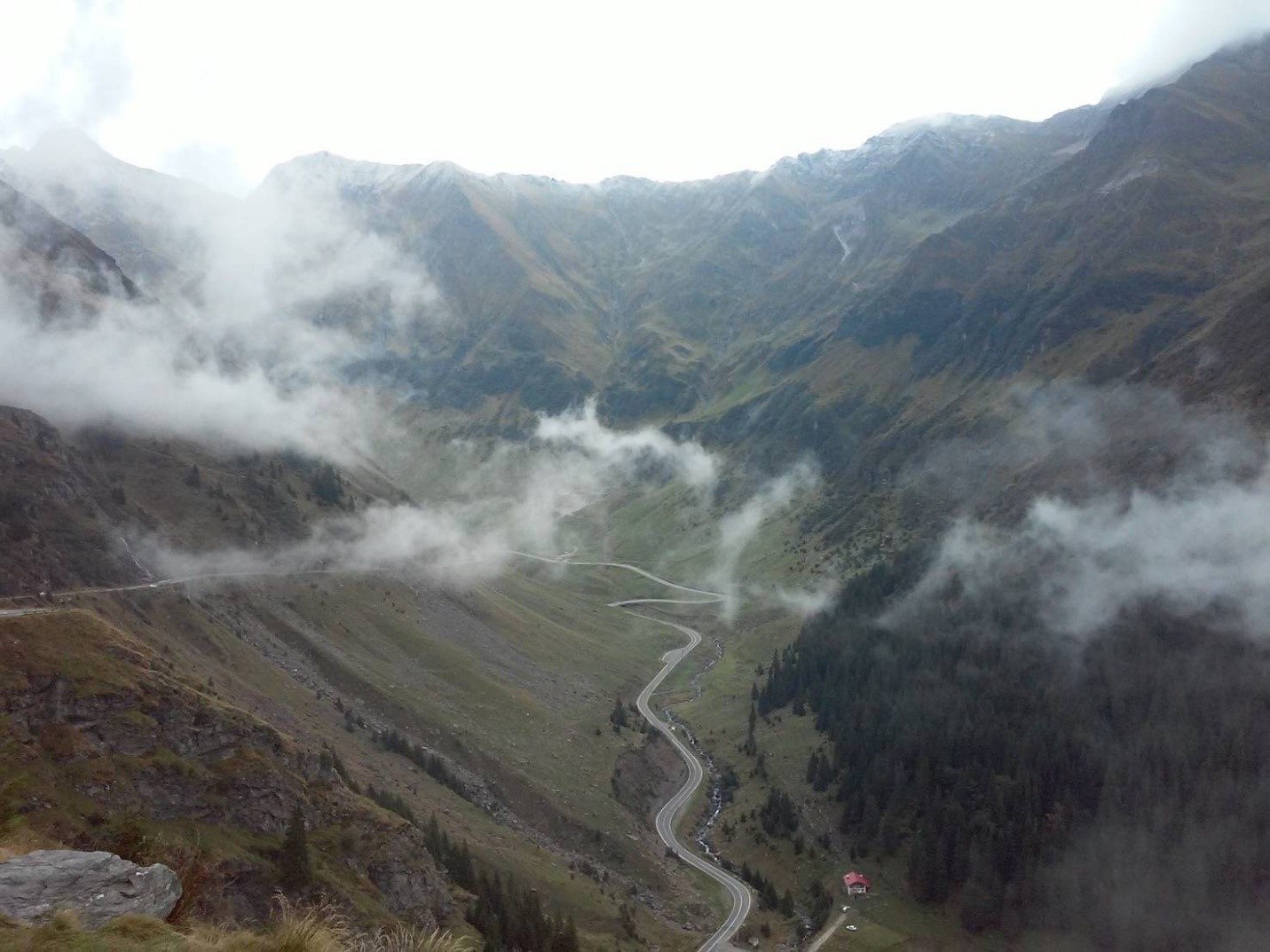 The Transfagarasan road in Romania
However, you should still plan a rough route that you should try following and be ready to change if need be. Keep these things in mind when you do it:
- A minimal amount of traffic. You should avoid busy roads with a lot of traffic as much as you can. Try to find back roads where there aren’t too many trucks or cars. Many bike travelers, including myself, use a mobile app called Maps.me to plan their cycling routes.
- Beautiful scenery. The best advice I can give to you is to find routes that take you through nature reserves and national parks. Small towns and villages can be hidden gems as well. That’s what bike touring is all about!
- Consider lodging options. When planning your route, try to make a rough plan of where you’re going to sleep each night. Look for campsites or hotels/hostels if roughing it out is not your cup of tea.
- Resupply options. If you plan to cycle in remote areas without too many shops, make sure to plan regular town stops to get food, water, and other necessities.
Set Up Camp Before Dark (or Book Accommodation in Time)
The biggest mistake I have made on my bike tours is not setting up camp in time before dark. The last thing you want to do as a woman (or a man, as a matter of fact) is trying to find a good and safe place to camp in pitch darkness.
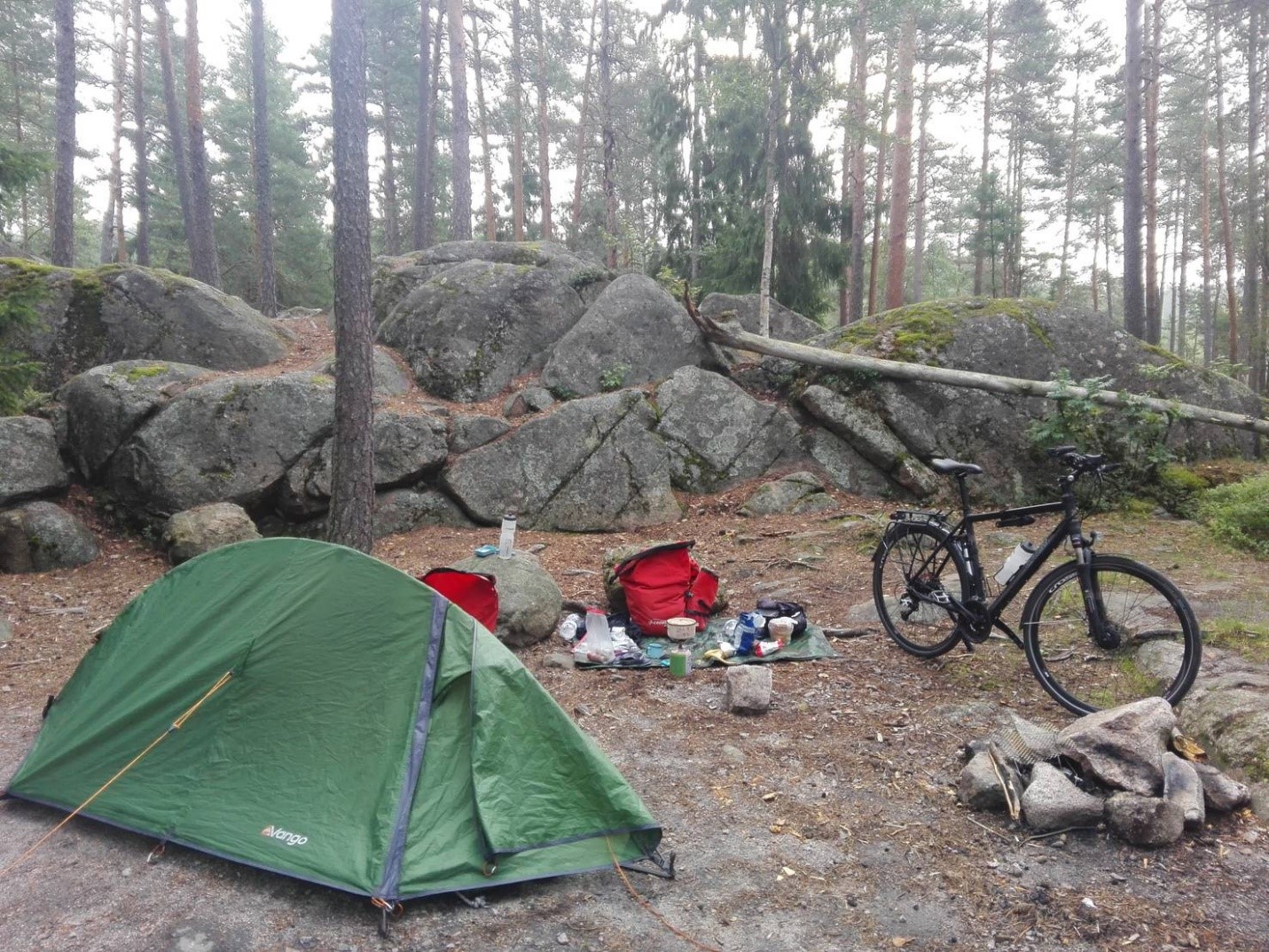
 Free campsite somewhere in Finland
My go-to routine is to start looking for a suitable place to camp at least 2-3 hours before sunset. That gives me enough time to check a few options, cook food, wash, and get ready for sleep.
If I run across a suitable campsite before I finish my planned distance, I might just call it a day and pitch my tent. If you prefer sleeping under a roof, use resources such as Airbnb, Warm Showers, Couchsurfing, or Booking.com to book accommodation the night before.
Bring Only the Essentials
I don’t want to feed into prejudices, but as a woman, I am aware that we tend to carry more stuff than we actually need when we travel. I’m guilty of it as well.
When you start climbing a steep hill on a bike, every pound matters. Therefore, make sure that you bring only the essentials and leave everything else at home.
This is much easier to do when you’re experienced and you know what you will and will not use. As a beginner, you should try to imagine which items you will use just a few times and which you’ll make use of on a daily basis. Leave the former ones home.
#
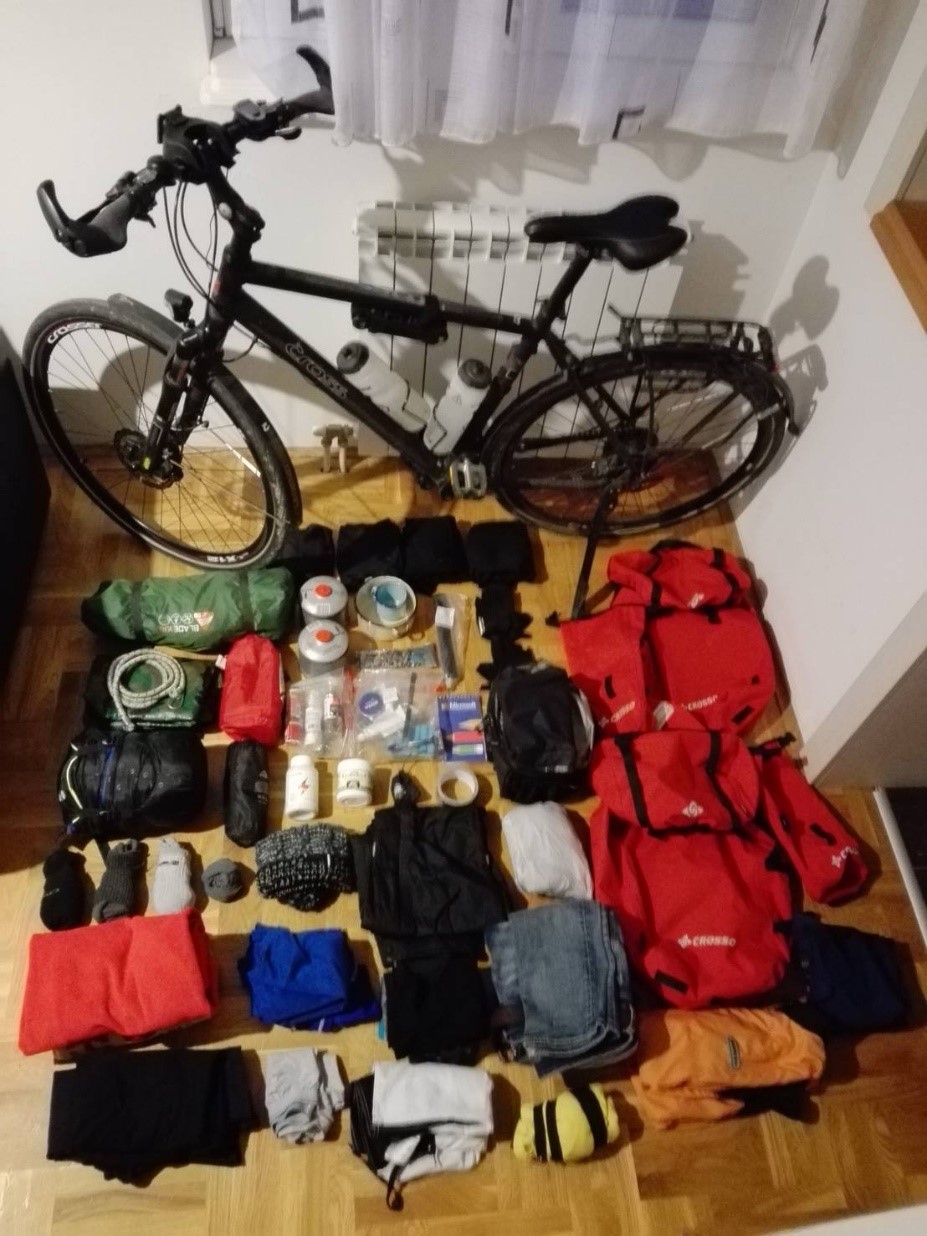
Here are some of the basics I always have in my panniers:
- Camping gear: A one or two-person tent, a sleeping bag, sleeping pad, and a cooking set
- One or two pairs of riding shorts
- One pair of warm pants and leggings
- A few Dri-fit T-shirts and a long-sleeve layer
- A rain jacket and a warm jacket
- Swimsuit and everyday sandals
- Toiletries
- A microfiber towel
- Spare parts and a toolkit
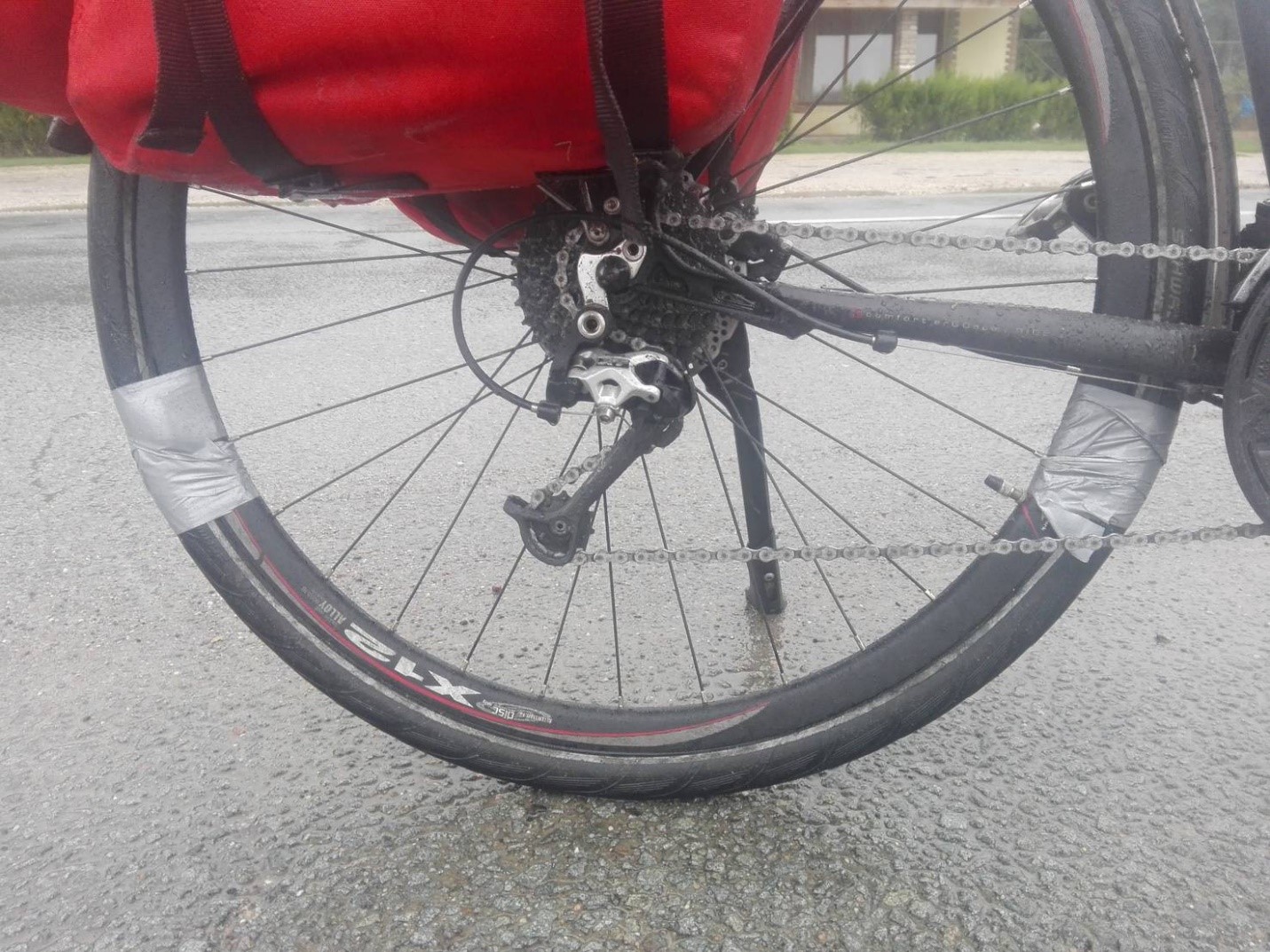
- Duct tape and zip ties!
Include a few pleasure items as well. Bike touring is about having an enjoyable time, after all. My favorite pleasure items are books and a hefty DSLR camera to take photos and videos with.
Get Several Pairs of Quality Cycling Bib Shorts (a Must!)
An important thing to put on your bike touring to-have list is a few pairs of high-quality, women’s cycling bib shorts. These are a must if you want to avoid being sore and miserable after the first day of your tour and then enduring it for the rest of the trip.
Carrying a few pairs is also important because of hygiene as bib shorts are worn without underwear. Therefore, it’s important to change into a clean pair at the end of the day and wash the dirty one. I usually wear three pairs for this reason.
Consider Finding a Touring Friend
If you are an absolute beginner to bicycle touring, you might consider finding a touring friend. That’s not necessary, but it can be a nice plus.
Someone with previous experience in traveling by bicycle would be ideal, but it’s not mandatory. A person that is as adventurous, eager, and inexperienced as you would be a perfect match.
However, make sure that it is someone you know well and can handle spending the whole day with. From personal experience, I know that bike touring with someone you are just getting to know can be a disaster if the two people are not compatible.
Therefore, if you’re considering a touring partner, make sure they’re the right person for the job!
Learn to Maintain Your Bike and Change a Flat
I mentioned above that some basic spare parts and a toolkit are bike touring essentials. You’ll have little use of them if you don’t learn how to maintain your bike and how to change a flat.
If that sounds like rocket science to you at the moment, YouTube is a fantastic place to start. Some basic skills that you should learn include:
- Cleaning and lubricating the chain
- Cleaning the bike
- Checking for loose spokes, nuts, and bolts
- Changing a flat and using the patch kit
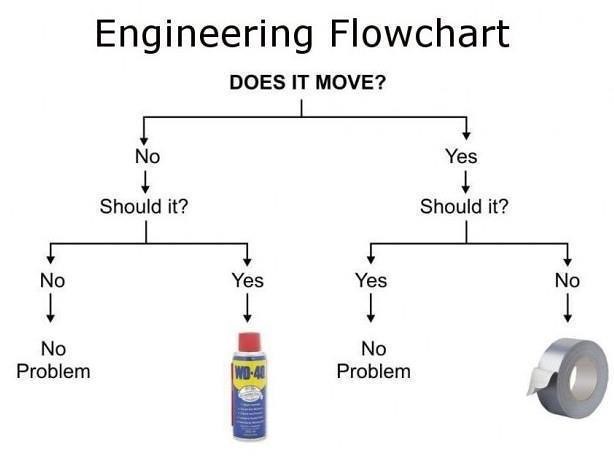
Here is how it looks in action:
Carry a Well-Stocked Toiletry Bag
Proper hygiene is incredibly important no matter if you are a man or a woman. However, as women, we usually have a bit more complicated routine. Therefore, make sure to carry a well-stocked toiletry bag with you, with all the essential items you plan to use every day.
My toiletry bag is never out of the following items:
• Toothpaste and toothbrush
• Deodorant, soap, and shampoo
• Hand sanitizer
• Face cleanser and cotton pads
• Nail clippers and a file
• Sanitary pads
• Wet tissues and a roll of toilet paper
• Some painkillers and cold medicine
These are the items that I believe every woman should bring on her bike tour. You might add other items as well, depending on your needs and preferences.
Apply Sunscreen Every Day
Sun… a bicycle tourer’s best friend and biggest enemy. To make sure that you maintain a friendly relationship with the Sun and not curse it the day after, make sure to apply sunscreen regularly. Some cyclists only wear it when the sun is out and shining, but I suggest applying it even when it’s cloudy outside. Clouds offer very poor protection from UV radiation.
When buying sunscreen, go for a high sun protection factor of 30 or even 50 (which I personally use and recommend). This is important to avoid getting sunburns but also to protect yourself from skin cancer, which can be caused by too much exposure to harmful UV radiation.
Bonus Tip:
Don’t forget to have fun and savour every moment of it! Bike touring is not always enjoyable. If you’re tired, cold, and wet, it can be quite miserable. But these moments come and go so don’t let them leave a lasting impression on you.
Remember that you’re doing it for the memories, experiences, and the freedom to roam. Make sure to stop frequently, enjoy the scenery around you, and really be present in the moment.
—
Emily Taylor is an avid cyclist, bike touring enthusiast and regular contributor to [Bicycle Guider](https://www.bicycle-guider.com/). She has cycled over 10,000 miles in the last five years, visiting more than 20 countries so far. Her favorite place to cycle is Scandinavia, but she has had plenty of memorable moments in other parts of Europe and Asia as well. For her, a campsite with a view and a cold beer are the perfect combo to end a touring day.